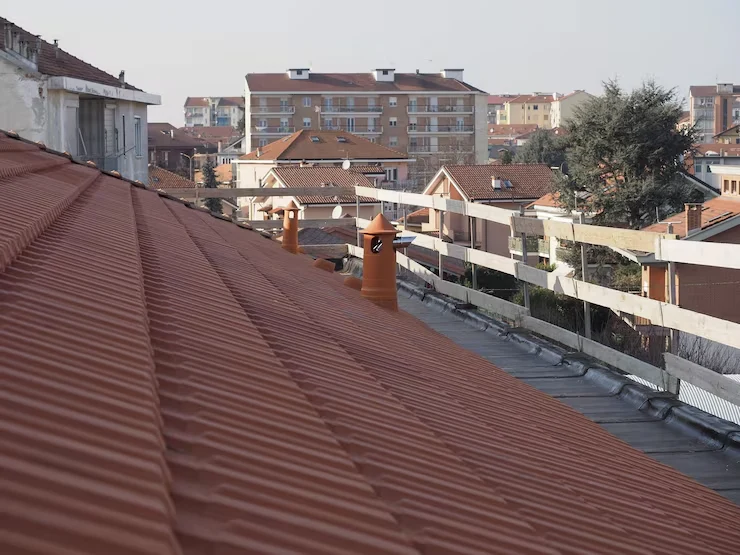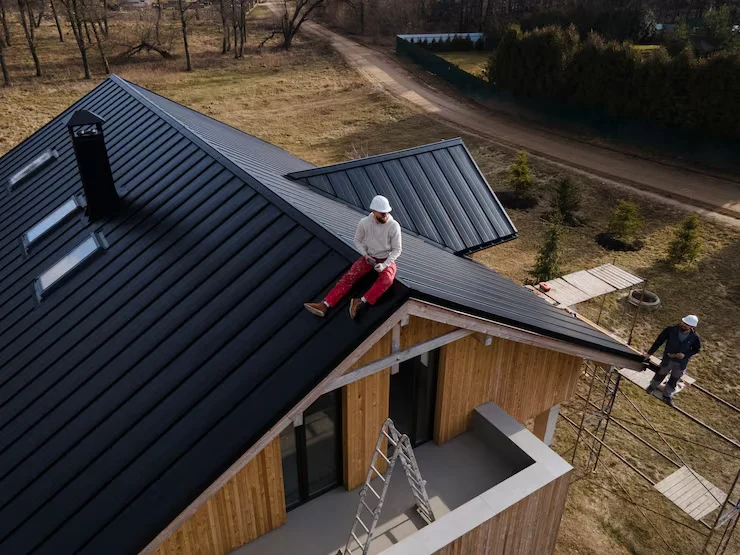
Good roof maintenance in Lakeland does not mean climbing a ladder. Most of what a homeowner needs to notice can be seen from the yard, the driveway or a room inside the house. This guide sets out what to look for in the quieter months, before hurricane season, and after a storm, and when to hand the job to a professional.
The aim is simple. Catch small problems early, keep records, and know which questions belong to a roofer, an insurer or the city. Each section below points to a fuller article when you need more detail.
A Simple Roof Care Calendar for Lakeland
A Lakeland roof care year has three parts. Look over the roof from the ground in the months before hurricane season, prepare in late spring, and check again after any strong storm. FEMA guidance says a roof should be inspected at least twice a year, generally in spring and fall, and after high wind events.
That FEMA advice comes from its hurricane mitigation fact sheet on sloped roofs, which adds that needed repairs should be completed quickly after an inspection (FEMA P-2181 Fact Sheet 3.3.1). The table below turns that into a plan for a Lakeland home.
| Time of year | What to do | Who does it |
|---|---|---|
| Early in the year | Ground check, attic look on a dry day, book a professional inspection | You, then a roofer |
| Late spring | Gutters cleared, branches over the roof trimmed, insurance papers checked | A professional for anything at height |
| June 1 to November 30 | Watch forecasts, note storm dates, check after each strong storm | You from the ground |
| After any strong storm | Photos, notes, professional inspection if anything looks wrong | You, then a roofer |
| Late fall | Second ground check and attic look | You, then a roofer if needed |
The dates in the third row are the Atlantic hurricane season set by the National Hurricane Center, which runs from June 1 to November 30 (NHC). The rest of this guide explains each row.
Roof Maintenance Checks From the Ground
A ground check takes about fifteen minutes and needs nothing more than good light and a phone camera. Walk all the way around the house and look at the roof surface, the edges, the gutters and the walls under the eaves. You are looking for anything missing, lifted, sagging, stained or different from last time.
Stand back far enough to see each slope of the roof. Binoculars help on a two-story house. Here is a short list to work through each time.
- Roof surface. Look for missing shingles or tiles, shingles that look lifted or creased, and bare patches where the granules have worn away.
- Edges and overhangs. Check the eaves, fascia boards and soffit panels for gaps, sagging or loose pieces.
- Gutters and downspouts. Look for sagging runs, loose joints, plants growing in the gutter and water stains on the wall below.
- Vents and other roof parts. Note anything that looks bent, loose or out of line, including ridge vents and turbines.
- Trees. Note branches that hang over the roof or touch it.
- Streaks and growth. Note dark streaks, moss or anything green on the roof surface.
FEMA’s fact sheet explains why the edges deserve a close look. It says the roof border is more often at risk of damage from wind uplift and wind-driven rain than the rest of the roof (FEMA).
Take a photo of each side of the house every time you do this check. A dated set of photos lets you compare one season with the next, and it gives you a record of how the roof looked before a storm.
Do not go up a ladder to get a better view. If something looks wrong from the ground, that is the moment to call a roofer. Our guide to what a good roof inspection covers explains what a professional checks that you cannot see from below.
Signs to Look for Inside the House
The inside of the house often shows a roof problem before the outside does. Look at ceilings for stains, peeling paint or sagging, especially near outside walls and in closets. If your attic has a safe, floored access point, a quick look with a flashlight on a dry day can show stains or daylight.
Keep the attic visit short and safe. Stay on the floored area, do not step between the framing, and never go into the attic during a storm. If the attic has no floor or feels too hot, leave it to a professional.
Things worth noting from inside are listed here.
- Ceiling stains. Brown or yellow rings, even small ones, are worth a photo and a date.
- Attic stains. Dark marks on the underside of the roof deck or on the framing.
- Daylight. Light showing through the roof deck where it should be dark.
- Damp insulation. Insulation that looks flattened, wet or stained.
- Smells. A musty smell in a closet or upstairs room can point to slow water entry.
Write down what you find with the date and the weather of the last few days. A stain that appears only after heavy rain tells a roofer something different from one that grows slowly over months. Any wet ceiling that sags should be kept clear of people, and the power to any light fixture in it should be left for an electrician to check.
Preparing the Roof Before Hurricane Season
The months before June 1 are the best window to get ahead of storm season. Book a professional inspection, have gutters cleared and branches over the roof trimmed, and make sure your insurance papers are current. Repairs found in spring can be done before the first storm rather than after the damage.
The National Hurricane Center gives two dates worth knowing. The season runs June 1 to November 30, and its peak is September 10, with most activity between mid-August and mid-October (NHC). Spring is the calm before that stretch.
FEMA’s fact sheet lists some of the work that helps a roof get through high winds (FEMA).
- Gutters. Maintain gutters and downspouts with routine inspections, clean out plants and debris, and tighten loose connections.
- Downspouts. Direct water farther away from the building.
- Trees. Trim back limbs so they do not extend over the roof.
- Roof parts. Secure or replace ridge vents and turbines, and protect gable and soffit vents.
All of that is ladder and roof work, so it belongs with a professional. Your part is to book it and to check from the ground once it is done.
Ready.gov gives similar advice for the home. It says to clear drains and gutters before a storm and to make sure insurance policies and personal documents are up to date (Ready.gov). Store copies of your policy, your roof photos and any past repair invoices somewhere you can reach them from your phone.
Branches deserve special attention. A limb that rubs the roof wears it down slowly, and a large one can come down on the house in a storm. If that happens, our guide to what to do when a tree falls on your roof starts with keeping people safe and reporting downed power lines.
Checking the Roof After a Storm
After a strong storm, safety comes first and the roof comes second. Stay away from downed power lines and standing water, then walk around the house in daylight and look for missing pieces, debris and new stains inside. Take photos before anything is moved or repaired, and call a roofer if you see damage.
Ready.gov warns that downed power lines can electrically charge water, and that floodwater can carry debris, chemicals and wildlife (Ready.gov). Keep everyone away from those hazards and report downed lines to the utility. If anyone is in danger, call 911.
Once it is safe, work through the same ground check as before and compare it with your earlier photos. Look for these signs.
- Missing or lifted pieces. Shingles, tiles, ridge caps or flashing on the lawn or roof.
- Debris on the roof. Branches or objects resting on the surface.
- Edge damage. Loose fascia, bent gutters or soffit panels that have pulled away.
- New stains inside. Fresh ceiling marks or drips during or after the rain.
Our article on wind damage signs on a Lakeland roof explains what lifted and creased shingles look like and why they matter even when nothing has fallen off.
Lakeland has seen how much rain one storm can bring. The National Weather Service office in Tampa Bay reported 8.93 inches at Lakeland Linder International Airport in the one-day total ending October 10, 2024, during Hurricane Milton, the highest on its record there (NWS Tampa Bay). Rain like that finds small weak spots fast, which is why a stain after a big storm is worth a professional look.
Do not climb onto a wet or damaged roof. Loose pieces shift underfoot and wet surfaces are slippery. A roofer can inspect and, if needed, cover a damaged area safely.
Keeping Records for an Insurance Claim
Good records make any roof claim easier. Before a storm, keep dated photos of each side of the roof and copies of past repair invoices. After a storm, photograph the damage from the ground and inside, write down the date, and keep receipts for any emergency work. Then contact your insurer about your policy terms.
Ready.gov advises photographing any property damage and contacting your insurance company for help (Ready.gov). Our guide on how to document roof damage for an insurance claim lists what to photograph and what to write down.
Florida law also sets time limits. Section 627.70132 of the Florida Statutes says notice of a windstorm or hurricane claim, or of a reopened claim, must be given to the insurer within one year after the date of loss, and notice of a supplemental claim within 18 months (Fla. Stat. s. 627.70132). For a hurricane, the statute treats the date of loss as the date the storm made landfall.
These limits are set out in more detail in our article on roof insurance claim deadlines in Florida. Statutes change, so confirm the current deadlines and your own policy terms with your insurer, and speak with an attorney if a claim is disputed.
Spotting Storm Scams After Bad Weather
Storms bring out people who offer quick roof work door to door. A sensible rule is to slow down. Do not sign anything on the doorstep, do not pay in full up front, and check any contractor’s license and references before work starts. Your own insurer can explain how a claim works without a stranger’s help.
A storm that damages many roofs at once creates demand, and that is when pressure tactics appear. Our guide to roofing scams after Florida storms explains the common tactics and what to check before you hire anyone.
Some simple habits help after any storm.
- Take your time. A temporary cover from a roofer you chose buys time to compare written quotes.
- Get it in writing. Scope, materials, price and timing should all be on paper before work starts.
- Read before signing. Ask your insurer or an attorney about any document that mentions your claim or your insurance benefits.
Black Streaks, Moss and Roof Cleaning
Dark streaks on a Lakeland roof are usually algae, not dirt or soot. The Asphalt Roofing Manufacturers Association says the most common species is Gloeocapsa magma, which settles from the air and darkens light shingles over time. Cleaning can lighten the streaks, but it should be done gently and by trained professionals.
ARMA’s guidance is clear on two points (ARMA).
- No pressure washing. ARMA says not to use a power washer, brush or broom to clean algae from a roof, and warns that scrubbing can loosen and remove granules.
- Results fade. A diluted bleach solution can lighten the stains, but ARMA says the results are temporary and the streaks may return.
ARMA also says cleaning makes a roof slippery and hazardous, and recommends trained professionals for the job. When it is time for a new roof, it suggests considering algae-resistant shingles.
Fixr publishes national cost figures for roof cleaning. Its national average is $612, with a typical range of $450 to $700, and it lists $0.30 to $0.75 per square foot for asphalt shingle roofs (Fixr). Those are Fixr’s national market figures, not Lakeland prices.
Fixr also says streaks that have been on a roof for several years may mean the shingles underneath are damaged. Our guide to roof cleaning and the black streaks on Florida roofs goes further into what manufacturers say about cleaning.
Knowing When Repair Turns Into Replacement
Every roof reaches an age where repairs stop making sense. Fixr puts the typical life of asphalt shingles at about 20 to 30 years, metal at about 50 to 70 years, and clay or concrete tile at up to about 100 years. A roofer’s inspection, not the calendar alone, tells you where your roof stands.
Those lifespans come from Fixr’s roof replacement cost guide (Fixr). Fixr lists widespread wear, moss and missing shingles among the signs that point to replacement rather than repair.
Age matters in Lakeland because so many homes are not new. Census data puts the median year built for housing in Lakeland at 1985 (U.S. Census Bureau ACS via Census Reporter). Many of those homes have had more than one roof, so ask the seller or your records when the current one went on.
If you are weighing a new roof, these guides cover each step.
- The materials. Our guide to roofing materials for Lakeland homes compares shingle, metal, tile and flat roofs.
- The process. Our article on the roof replacement process from permit to final inspection walks through what happens and in what order.
- The timing. Our article on the best time of year to replace a roof looks at what timing does and does not change.
- The warranty. Our guide to manufacturer and workmanship roof warranties explains what each one covers and what can void it.
Keep your warranty papers with your roof photos. A warranty can depend on how the roof was installed and cared for, so read its terms before any cleaning or repair work.
Roof Care When You Buy a Home or Own a Historic One
Two kinds of owners have extra steps. Buyers should learn the roof’s age and condition before closing, because both can affect insurance. Owners of homes in Lakeland historic districts should ask the City of Lakeland about any review it needs before changing a roof.
For buyers, a general home inspection is a start, but a roof-focused look can tell you more. Our guide to checking the roof before you buy a home in Lakeland explains what can fail a roof and why roof age matters for getting insured.
For historic homes, the city’s historic preservation office is the place to ask. Our article on roof replacement in Lakeland historic districts explains the review process. Confirm the current rules with the City of Lakeland before you sign a contract or order materials.
Jobs That Belong With a Professional
Call a roofer whenever a ground or inside check turns up something you cannot explain, after any storm that leaves visible damage, and for every job that needs a ladder. A professional inspection twice a year, as FEMA suggests, catches problems you cannot see from below and gives you a written record.
Here is a short list of the jobs that always belong with a professional.
- Any ladder or roof work. Including gutter cleaning, branch trimming over the roof and looking at the surface up close.
- Roof cleaning. ARMA recommends trained professionals because a wet, treated roof is slippery.
- Storm covers and repairs. A damaged roof can shift underfoot.
- Wet ceilings and wiring. Sagging, wet ceilings near light fixtures need an electrician as well as a roofer.
For a full roof check, the Roof Repair Lakeland FL page on roof inspection in Lakeland explains what an inspection involves and how to book one.
Frequently Asked Questions
How do you take care of your roof?
Check it from the ground and from inside the house in spring and fall and after strong storms, keep gutters clear and branches trimmed back, and have a professional fix problems quickly. FEMA says a roof should be inspected at least twice a year and after high wind events (FEMA). Leave all ladder and roof work to a professional.
How to extend the life of an asphalt shingle roof?
Regular inspections and quick repairs are the main steps FEMA lists, along with clear gutters and trimmed branches (FEMA). ARMA warns against pressure washing, brushing or scrubbing shingles, because friction can remove granules (ARMA). Avoid anything that wears the surface, and have a roofer handle work on the roof.
Does a 30 year shingle really last 30 years?
Not always. Fixr puts the typical life of asphalt shingles at about 20 to 30 years (Fixr), so a roof can reach the end of its life before the number on the package. Installation, storms and upkeep all play a part. Read your warranty terms, and ask a roofer to judge your roof’s condition.
What can I spray on my shingle roof to make it last longer?
The source used here does not name any spray that makes shingles last longer. ARMA says a diluted bleach solution can lighten algae streaks for a while, warns not to use other chemicals without the shingle maker’s approval, and recommends trained professionals for the job (ARMA). Check your warranty before any treatment.
How much does it cost for roof cleaning?
Fixr’s national average for roof cleaning is $612, with a typical range of $450 to $700, and $0.30 to $0.75 per square foot for asphalt shingle roofs (Fixr). Those are Fixr’s national market figures, not Lakeland prices. A local quote depends on the roof’s size, pitch and material.