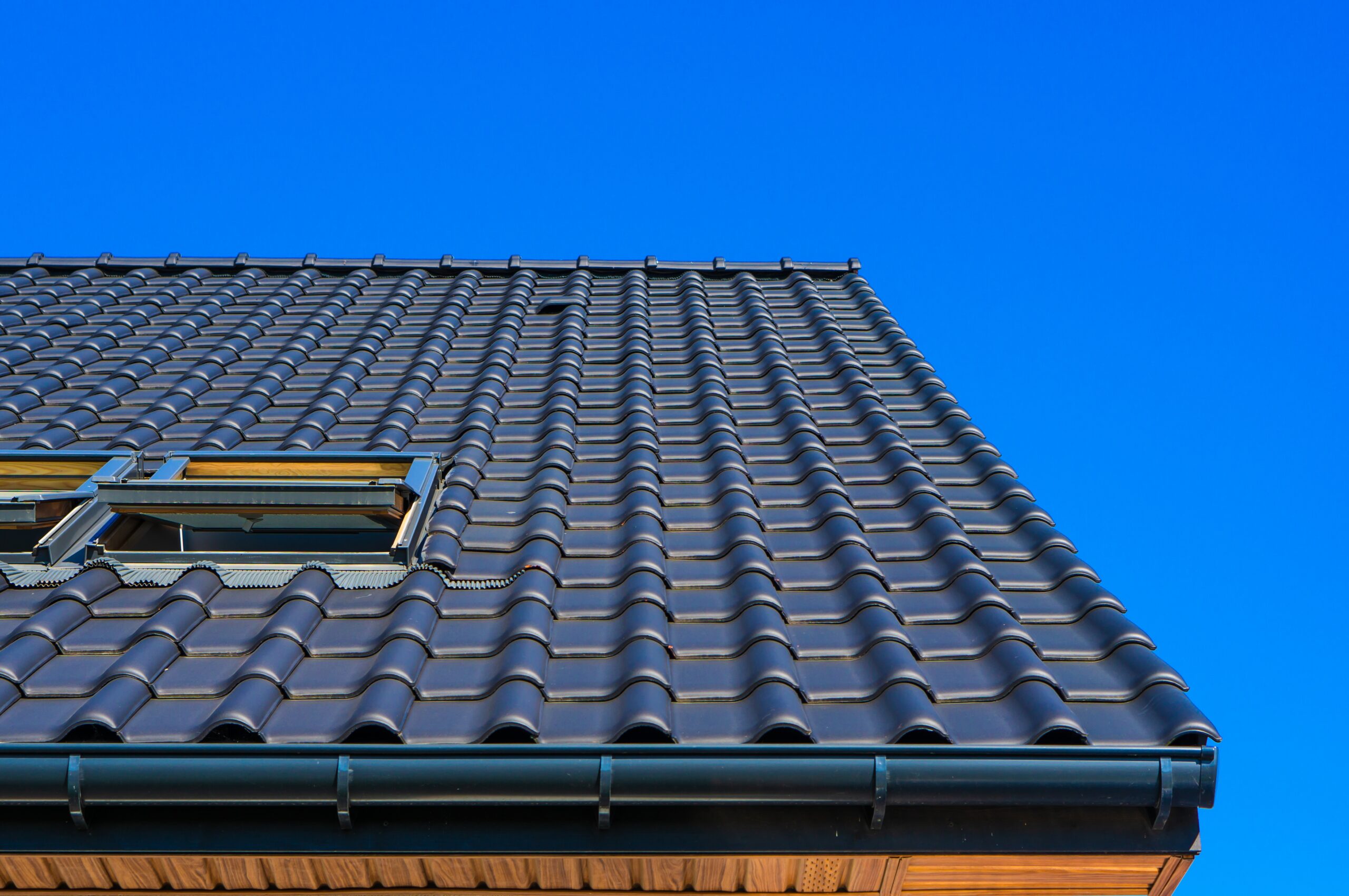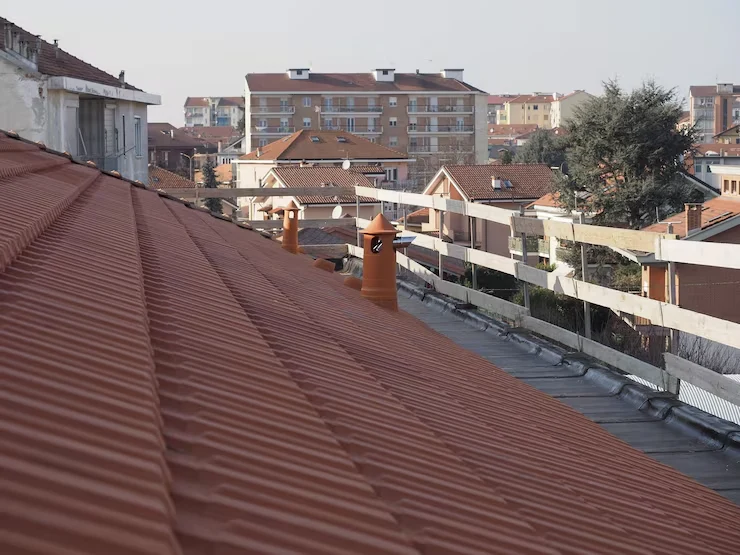
A concrete tile roof is made of heavy molded tiles of sand, cement and color pigment, laid in overlapping rows over a sealed roof deck. It is one of the longest lasting roof coverings you can put on a house, but it is also heavy, brittle under a point load, and held in place in Florida by rules that differ from shingles.
This guide covers how long concrete tile lasts, what it weighs, why walking on it cracks tiles, how Florida code says tile must be attached for high wind, how concrete compares with clay, and what sits underneath. For shingle, metal and flat roofs as well, see our guide to roofing materials for Lakeland homes.
The Lifespan of a Concrete Tile Roof
The tile itself is rated for decades. Fixr lists concrete tile at 50 years or more, and the Tile Roofing Institute says tile roofs can last 50 to 100 years or more. The tile is rarely what wears out first. The layer under it, and the fastening, usually set the real service life.
Fixr’s article on concrete tiles puts concrete at 50+ years, the same band it gives clay and slate, against 20 years for asphalt shingles. It also cites the National Association of Home Builders for a lifespan of at least 50 years. The Tile Roofing Institute FAQ goes further and says a concrete or clay tile roof can reasonably be expected to outlast the building it protects.
Those numbers describe the tile body. A roof is a system, and the parts under and around the tile have their own clocks:
- Underlayment. The sealed layer on the deck is the real water barrier. It ages faster than the tile above it.
- Fasteners and adhesive. These hold each tile against wind. They can loosen or fail around a cracked tile.
- Flashing. Metal at walls, valleys and roof openings is a separate part with its own service life.
So a concrete tile roof can look fine from the street while the layer underneath is near the end of its life. Our post on tile roof underlayment versus broken tiles explains how to tell which one is causing a leak.
The Weight of Concrete Tile on a House
Concrete tile is one of the heaviest common roof coverings. Fixr gives a range of 820 to 1,200 pounds per 100 square feet of roof, with lighter weight versions around 600 pounds. That load is why a house built for shingles may need a structural check before it can carry tile.
According to Fixr, the added load may call for a structural engineer, extra framing or a new roof deck. The Tile Roofing Institute puts it this way: the roof structure needs to support the weight of tile, and an inspection will determine if more support is needed. The Institute adds that adding reinforcement usually represents a very small portion of the total project cost, and its FAQ says many homes need little or no added reinforcement.
The weight is not only a burden. The Tile Roofing Institute says the density and heavier weight of tile help it perform in high winds and weather extremes.
What this means in practice:
- Switching to tile. If your house has shingles or metal now, the framing has to be checked for the heavier load before tile is chosen.
- Replacing tile with tile. The framing already carries tile, but rot or past leaks in the deck still need to be found during tear off.
- Lightweight tile. Fixr notes lighter weight concrete versions come to around 600 pounds per 100 square feet.
Walking on Tile Cracks It
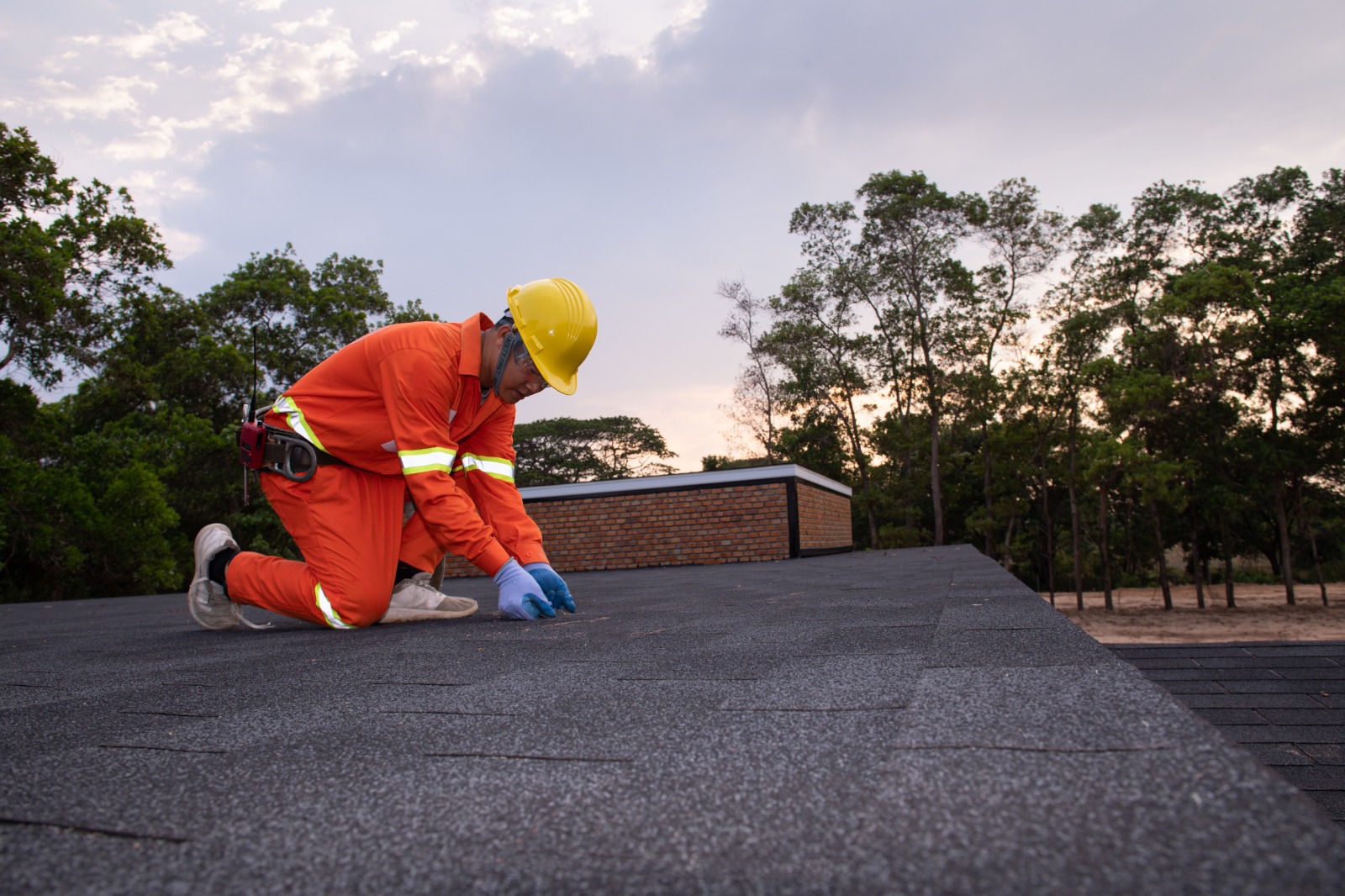
Concrete tile is strong when it is supported, but a tile laid on a roof is only fully supported where it overlaps the tile below. A foot placed on an unsupported part puts a point load on brittle concrete, and the tile can crack. Eagle Roofing Products tells owners to stay off the roof.
The owner information page in Eagle Roofing Products’ sample warranty is direct. It says walking on or putting pressure on tiles can cause damage, and its recommendation is to stay off your roof. It recommends that only licensed and insured professional contractors walk on roofs, and that inspection or repair be done by the original roofing contractor or another qualified licensed roofing contractor.
The same page explains the cause. The bottom three inches of an installed tile sit on the lapped tile beneath it, so weight there passes down to the deck. Weight anywhere else bends the tile over the air gap under it. Roofers who work on tile are trained in where to place their weight, and they still lay walk boards or pads where traffic is needed.
A broken tile is not only a cosmetic problem. Eagle says tiles broken by foot traffic should be replaced as soon as possible, because the gaps let water and sun reach the underlayment and damage it. Fixr lists falling tree branches, severe hail and foot traffic as the usual causes of cracked tiles.
Signs that someone has been on a tile roof:
- Cracks in a line. A row of cracked tiles that follows a path from a ladder spot or an attic vent.
- Broken tiles near equipment. Cracks around a satellite dish, solar mount or roof vent that was recently serviced.
- Loose pieces in gutters. Chips or fragments of tile where there was no storm.
Eagle also excludes damage caused by roof traffic from its warranty, so check what your own tile warranty says before anyone goes up. If you see these signs, the safe step is to look from the ground or with binoculars and have a tile roofer check it.
Florida Code Rules That Hold Tile Down in High Wind
The Florida Building Code points tile work to one manual. Section 1507.3 says clay and concrete tile is installed and fastened following the FRSA/TRI Florida High Wind Concrete and Clay Roof Tile Installation Manual, or to Section 1609 for wind loads. The manual covers tile attached with screws or nails, adhesives, or both.
The code text on UpCodes (FBC 2023, Chapter 15) sets the main rules:
| Code section | What it says |
|---|---|
| 1507.3.1 Deck | Tile goes over solid sheathing unless the product is tested for spaced boards |
| 1507.3.2 Slope | Installed following the FRSA/TRI Florida High Wind manual |
| 1507.3.3 Underlayment | Applied per the underlayment maker or the FRSA/TRI manual |
| 1507.3.5 Concrete tile | Must meet ASTM C1492 |
| 1507.3.6 Fasteners | Corrosion resistant, not less than 11 gage, set into the deck as specified |
| 1507.3.7 Attachment | Fastened per Section 1609 or the FRSA/TRI manual |
The Tile Roofing Institute lists the manual’s 7th edition with an effective date of December 31, 2023, and describes it as written for high wind use in Florida, covering the latest wind codes and the products and steps acceptable to contractors and inspectors.
There are two broad ways tiles are held. An article in the FRSA’s Florida Roofing magazine describes both:
- Mechanical fasteners. Screws are the usual fastener today and have been the standard method for many years.
- Adhesive. Foam adhesive attaches the head of the tile to the deck. The same article says field tiles can be set in a fraction of the time with adhesive.
Hip and ridge tiles along the peaks may be set in mortar or with foam, depending on the system. Tested in the right setup, tile handles strong wind: Eagle says tile has been tested to sustain wind speeds of up to 180 miles per hour when installed properly, and the Tile Roofing Institute says testing indicates tile can be designed for up to 200 miles per hour with proper attachment.
Your local building department decides how the code applies to your house. Ask any roofer which attachment method and which product approval they plan to use.
Concrete Tile Compared With Clay Tile
Concrete and clay tile look alike from the street and are covered by the same code section, but they are different products. Clay tile is fired clay that must meet ASTM C1167. Concrete tile is molded sand and cement that must meet ASTM C1492. Both last for decades and both are heavy.
| Point | Concrete tile | Clay tile |
|---|---|---|
| Material standard (FBC 1507.3) | ASTM C1492 | ASTM C1167 |
| Lifespan in Fixr’s table | 50+ years | 50+ years |
| Upfront price (Fixr) | The most affordable of concrete, clay and slate | Higher |
| Finish care (TRI) | Very low maintenance, rarely needs treatment | Matte or glazed finish is essentially maintenance free |
| Looks | Molded to imitate clay, slate or wood shake | The traditional barrel and flat shapes |
Sources for the table: FBC 2023, 1507.3, Fixr and the Tile Roofing Institute FAQ.
Color is the clearest difference over time. Fixr says concrete pigment gradually fades, which can make replacement tiles hard to match, especially in bright colors. Eagle’s warranty page says it does not warrant color, and that single color concrete tiles vary from tile to tile because they are made from natural raw materials. The Tile Roofing Institute notes that a temporary discoloration can appear on concrete tile. Eagle describes it as light patterning on darker tiles from alkaline deposits drawn to the surface by moisture, and says it disappears with more rain.
The Layers Under a Concrete Tile Roof
Under the tile is a solid wood deck and a sealed underlayment, which is the real water barrier. The tile sheds most rain and blocks sun, but water that blows past the laps runs down on the underlayment. Florida code says the underlayment is applied per its maker or the FRSA/TRI manual.
From the top down, a typical concrete tile roof has:
- Tile. Concrete tiles in overlapping rows, with hip and ridge tiles on the peaks.
- Attachment. Screws, nails or foam adhesive holding each tile, as covered in the code section above.
- Underlayment. The sealed layer that keeps water off the wood (FBC 2023, 1507.3.3).
- Deck. Solid sheathing, as Section 1507.3.1 requires for most tile.
The kinds of underlayment, how long each lasts and how to tell an underlayment leak from a broken tile are covered in detail in our separate post on that topic, linked in the lifespan section above.
The Downsides of a Concrete Tile Roof
Concrete tile is long lived and handles wind well, but it has real costs. It is heavy, it cracks under foot traffic and falling limbs, its color fades, it costs more upfront than shingles, and repairs need someone trained in tile. None of these rule it out, but each is worth weighing.
Fixr lists the main drawbacks:
- Weight. May require a structural engineer, reinforcement or a new deck.
- Upfront cost. Fixr’s national estimate for installed concrete tile is $8 to $12 per square foot, a market figure from that source and not a quote for any house in Polk County.
- Breakage. Branches, severe hail and foot traffic can crack tiles, and cracked tiles need prompt replacement.
- Color fade. Pigment fades over time and new tiles may not match.
- Upkeep. Mildew, dirt and algae need to be removed from the surface.
Dark streaks on a light tile roof are usually growth on the surface rather than damage. Our post on roof cleaning and black streaks in Lakeland covers what causes them and why pressure and foot traffic matter on tile. On the plus side, Fixr notes concrete tile has a Class A fire rating, and the Tile Roofing Institute says many tile products have been tested against hail up to two inches under the FM 4473 standard.
Getting a Concrete Tile Roof Checked in Lakeland
The best time to have a concrete tile roof looked at is after a strong storm, after any trade has been on the roof, or when a ceiling stain appears. A tile roofer can find cracked or slipped tiles, check the attachment and judge whether the underlayment is near the end of its life.
Before the visit, it helps to have a few things ready:
- Tile maker and color. Often on the original contract or warranty, which helps match replacement tiles.
- Roof age. The install or last re-roof date from a permit or sale papers.
- Recent work. Any solar, satellite, AC or gutter work that put people on the roof.
When you want a repair or an inspection, the Roof Repair Lakeland FL page on tile roof repair in Lakeland explains what is checked and how to book a visit. Ask any roofer for the attachment method and product approval in writing, and confirm permit needs with your local building department.
Frequently Asked Questions
What goes under concrete roof tiles?
A sealed underlayment over a solid wood deck. Florida code says tile goes over solid sheathing in most cases and the underlayment is applied per its maker or the FRSA/TRI Florida High Wind manual (FBC 2023, 1507.3). The underlayment is the real water barrier under the tile.
What are the different types of roofing tiles?
The two main types are clay tile, which meets ASTM C1167, and concrete tile, which meets ASTM C1492 (FBC 2023, 1507.3). Concrete comes in standard and lighter weight versions and is molded to look like clay, slate or wood shake (Fixr).
What are the downsides of having a tile roof?
Weight that may need extra framing, a higher upfront price than shingles, tiles that crack under foot traffic, falling limbs or severe hail, and color that fades over time on concrete (Fixr). Repairs also need a roofer trained in tile.
What is the lifespan of a concrete tile roof?
Fixr lists concrete tile at 50 years or more (Fixr), and the Tile Roofing Institute says tile roofs can last 50 to 100 years or more (TRI FAQ). The underlayment beneath usually needs replacing well before the tile does.
Can I walk on my concrete tile roof?
Eagle Roofing Products recommends that owners stay off the roof and that only licensed and insured professional contractors walk on tile, because walking or pressure on tiles can break them (Eagle Roofing Products). Leave it to a tile roofer.