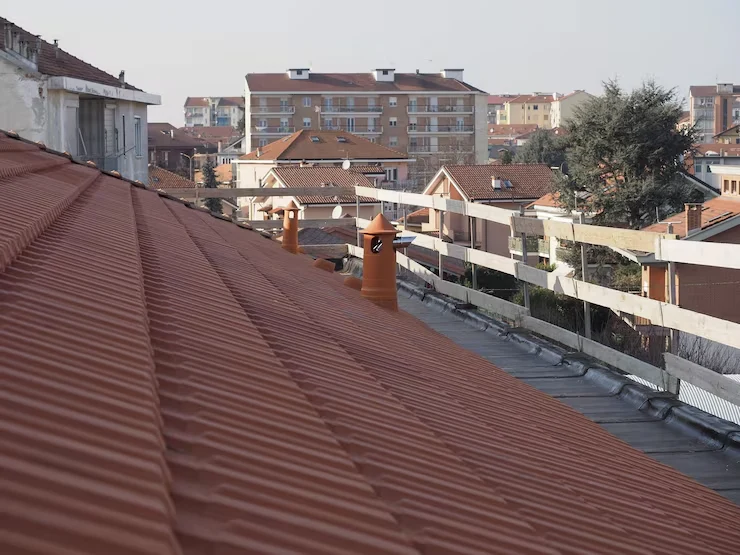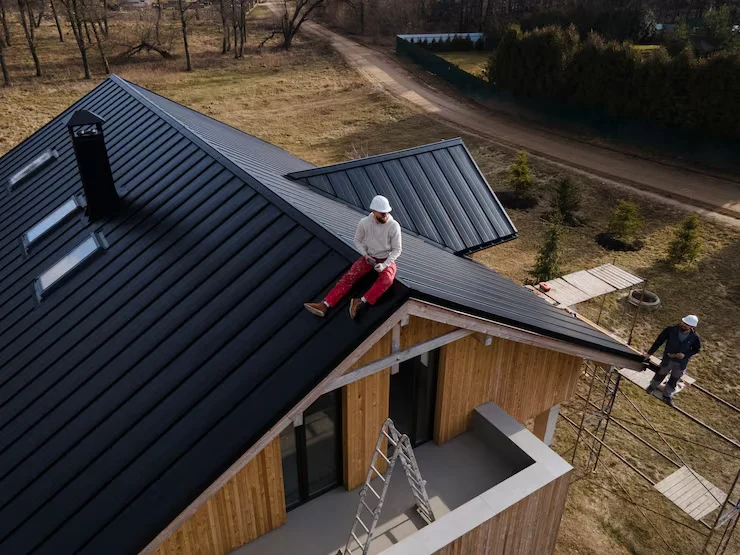
Replacing the roof on an older house in one of the city’s historic districts takes more planning than a standard reroof. Lakeland historic preservation rules can require a Certificate of Review before the building permit, and the city code names roofs as one of the features its reviewers look at. This guide explains that process and how to prepare for it.
The city rules here come from Article 11 of the City of Lakeland Land Development Code, the Historic Preservation Standards, read on the Zoneomics code library because the city’s own website would not load, plus an archived city agenda packet. The rest comes from the National Park Service and the Florida Building Code. Confirm the current rules with the city before you sign a contract.
Lakeland Historic Preservation Review Comes Before the Permit
Under Article 11 of the Lakeland Land Development Code, no local landmark or building in a historic district may be altered until a Certificate of Review is approved. The building official may not issue a permit for exterior alteration without one. The code lists the type and style of roofs among the things reviewers consider.
Section 11.6.1(a) sets the rule, and section 11.6.4 ties it to the permit (Lakeland LDC Article 11). The code defines an alteration as any change affecting the exterior appearance of a building, whether it comes from construction, repair, maintenance or otherwise. Section 11.6.2(c) adds that buildings listed or eligible for the National Register are also subject to the Certificate of Review procedure.
The code also sets out who decides.
- Design Review Committee. The DRC, five to seven members of the Historic Preservation Board, holds a hearing on each application, and a majority approves or disapproves it (sections 11.3.3 and 11.6.2(d)).
- Staff approval. Section 11.6.2(g) lets the board list routine alterations that staff may approve without a public meeting. The code gives in-kind replacement of damaged or deteriorated materials as an example.
- Conditions. The certificate describes the project it covers and may carry conditions, and work must follow it strictly. Staff inspect for compliance (sections 11.6.2(f) and 11.6.4).
Ordinary Repairs and Changes in Roof Material
The code separates upkeep from alteration. Section 11.6.1(b) says nothing in the article prevents ordinary maintenance or repairs that do not involve a change of design or material. Repairs that change the outward appearance of a building count as an alteration, so a switch to a different roofing material is likely to need review.
The definitions in section 11.2 of the code draw this line (Lakeland LDC Article 11). The same section lists roofing material and the exterior waterproofing system among the things an owner must keep up under the affirmative maintenance rule. For alterations, section 11.6.3 says they shall not affect the architectural quality or historic character of the property, and repairs after a fire or storm follow the same alteration criteria.
Here is the order that keeps a historic roof job on track.
- Ask the city first. Call the City of Lakeland historic preservation planner and ask whether your address is in a district and which review applies.
- Record the roof. Have a roofer photograph and note the existing roof before anything is removed.
- Choose materials. Decide whether you are matching the existing roof in kind or changing it.
- Get the Certificate of Review. Apply, then wait for staff or the DRC to decide.
- Pull the permit. Apply for the building permit once the certificate is approved.
If the DRC turns an application down, section 11.7 allows an appeal to the Historic Preservation Board within fourteen calendar days of the decision. The code text does not include a fee schedule, so ask the city about fees and timing.
Past City Agendas Show How Roof Reviews Move
City records show how routine work moves through review. The August 22, 2019 agenda packet for the Lakeland Historic Preservation Board and Design Review Committee lists Certificates of Review that staff approved between meetings. One of them covered reroofing a detached garage with 5V crimp metal panels.
The packet (City of Lakeland HPB and DRC agenda packet, August 22, 2019) records that a list of 28 staff approved Certificate of Review projects, covering May 16 to June 26, 2019, went to the committee, which had no questions. Staff approvals carry written conditions. In its own hearings the committee discussed roof pitch, overhang and exposed rafter tails on additions. These are older records, so ask the city how review works today.
Lakeland Historic Districts on the National Register
Several Lakeland neighborhoods are listed as historic districts on the National Register of Historic Places. The public list for Polk County includes South Lake Morton, Dixieland, Munn Park, Lake Hunter Terrace and Biltmore-Cumberland. Local city districts can differ from federal listings, so ask the city which rules cover your street.
The table shows the Lakeland districts on that list and the year each was listed (NRHP listings in Polk County).
| District | Year listed on the National Register |
|---|---|
| South Lake Morton Historic District | 1985 |
| Dixieland Historic District | 1994 |
| Munn Park Historic District | 1997 |
| Lake Hunter Terrace Historic District | 2002 |
| Biltmore-Cumberland Historic District | 2004 |
Florida Building Code Rules for Historic Buildings
Florida’s building code has a full chapter on historic buildings. It says the code acknowledges “the need to preserve the character of historic buildings” and covers repair, alteration and restoration. It also lists which buildings count as historic, including contributing buildings in a National Register district and buildings with local designation.
That chapter is Chapter 12 of the Florida Building Code, Existing Building (FBC Existing Building 2023, Chapter 12). Its definition of a historic building, in section 1202, includes:
- National Register buildings. A building individually listed in the National Register of Historic Places.
- Contributing buildings. A contributing property in a district listed on the National Register.
- Local and state designations. Buildings designated under local or state programs, or found eligible by the Florida State Historic Preservation Officer.
Section 1206.1 adds that a historic building undergoing alteration “shall be investigated and evaluated.” The same chapter has a roof rule worth knowing. Section 1207.2 says that when a building that originally bore historic Cuban tile is reroofed, reapplying that tile rather than replacing it with new contemporary tile is preferred and shall be encouraged by the building official.
Ask the Lakeland building department how this chapter affects your project, and use our guide to Florida roof permit rules and the 25 percent rule for the general permit picture.
The Federal Standards Behind Design Review
Most historic design review in the country draws on the Secretary of the Interior’s Standards for Rehabilitation, published by the National Park Service. These ten standards favor keeping historic materials, repairing before replacing, and matching new work to the old. Reading them shows you what a reviewer is likely to ask.
The standards are short and written in plain terms (NPS Standards for Rehabilitation). The ones that matter most for a roof are listed here.
| Standard | What it says | What it means for a roof |
|---|---|---|
| Standard 2 | Historic character shall be retained and preserved | Keep the roof shape and look |
| Standard 5 | Distinctive features, finishes and craftsmanship shall be preserved | Keep features like original tile or trim where possible |
| Standard 6 | Deteriorated features shall be repaired rather than replaced; a replacement should match the old in design, color, texture and other visual qualities | Repair first, and match if you must replace |
| Standard 9 | Exterior alterations shall not destroy historic materials that characterize the property | Avoid removing features that define the house |
Standard 6 carries the most weight on a reroof. It says a replacement feature should match the old “in design, color, texture, and other visual qualities and, where possible, materials.” It also says replacement of missing features should be backed by documentary, physical or pictorial evidence.
Record the Existing Roof Before Work Starts
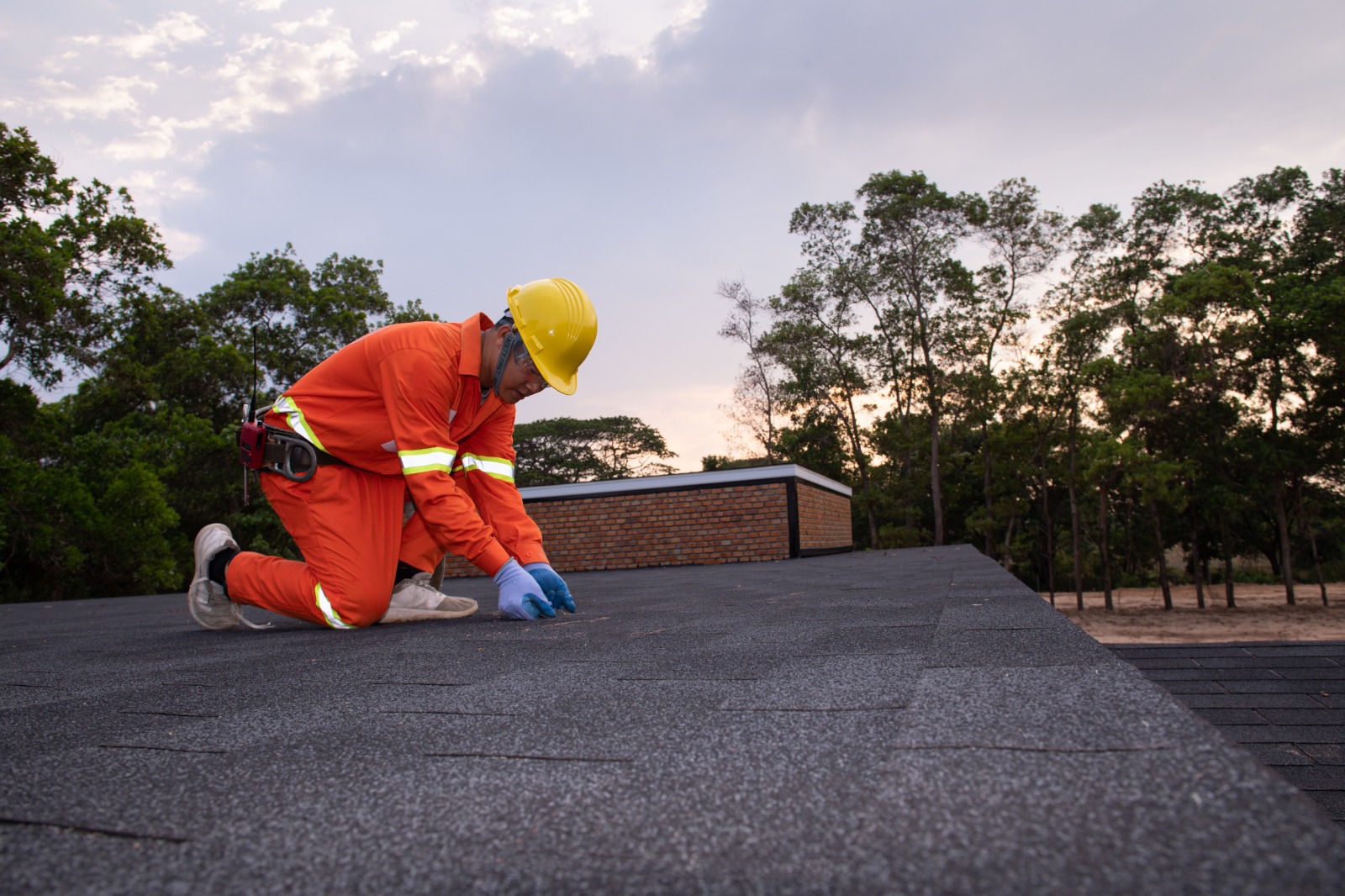
Good records are the most useful thing you can bring to a historic review. The National Park Service says historic roofs should be photographed, measured and recorded before work, with overall views plus details of gutters, flashing, chimneys, valleys, ridges and eaves. A roofer can gather these from a safe position.
The NPS brief on roofing says it is essential that records be kept of any work on a historic building “before, during, and after the project” (NPS Preservation Brief 4). It adds that old photographs of the building might show missing details, and that a look at the roof can reveal changes in slope, shape or materials over time.
Leave anything at roof height to a professional.
- Ground photos. Each side of the house, taken from the yard or street, showing the full roof line.
- Close photos. Details at the gutters, flashing, chimneys, valleys, ridges and eaves, taken by a roofer.
- Material notes. What the roof is covered with now, and any sign of older coverings underneath.
- Old photos. Family pictures, sale listings or any record showing how the roof once looked.
- Earlier paperwork. Past roofing invoices and permits, if you have them.
Repair Before You Replace a Historic Roof
On a historic house, a full replacement is not always the first step. The federal standards say deteriorated historic features should be repaired rather than replaced when that is possible. The NPS roofing brief also says to find every cause of failure before deciding between repair and replacement.
The brief says that before any repair, “the historic value of the materials used on the roof should be understood” and that a complete internal and external inspection should be planned to determine all the causes of failure (NPS Preservation Brief 4). It also warns that temporary patching methods should be chosen with care, so they do not damage sound or historic roofing materials.
If a leak is active now, protect the house first and call a professional for a temporary fix. Then plan the larger job once the cause is clear and the city has told you what review applies.
Choosing Materials That Fit a Historic House
Material choice is where a historic roof differs most from an ordinary one. The NPS roofing brief says that when the original material cannot be used, an alternative should match the scale, texture and color of the historic roofing as closely as possible, especially on a roof that is readily visible from the street.
The brief explains that building codes or supply can rule out the original material, so an alternative has to be found (NPS Preservation Brief 4). It names asphalt shingles and ceramic tiles as common substitutes meant to look like wood shingles, slate or tile. Keep these points in mind when you compare products.
- Visibility. The brief draws a line between a flat roof hidden from view and a roof readily visible from the street. A visible roof deserves the closest match.
- Code. Florida wind and fire rules still apply. The brief notes that some codes allow variances for roofing materials in historic districts.
Planning the Job Around the Review
A historic roof job runs on the same basic steps as any roof replacement, with the review step added near the front. Build the city’s review into your timeline, keep your records together, and choose a roofer who will wait for the decision before tearing anything off.
Our guide to the roof replacement process in Lakeland walks through quotes, permits, tear off and final inspection in order. For a historic house, add the steps below.
- Before quotes. Confirm your district status and the review that applies with the City of Lakeland.
- With quotes. Ask each roofer how they will record the existing roof and match its look.
- Before contract. Make the contract depend on the city’s review decision and the building permit.
- During work. Ask the roofer to keep photos before, during and after, as the NPS brief recommends.
When you are ready to talk about the work itself, the Roof Repair Lakeland FL page on roof replacement in Lakeland explains how a replacement is scoped. For seasonal care of an older roof between projects, see our year-round roof care guide for Lakeland.
Frequently Asked Questions
Do I need city approval to replace a roof in a Lakeland historic district?
Usually, if the work changes the roof’s design, material or appearance. Article 11 of the Lakeland Land Development Code bars altering a local landmark or district building until a Certificate of Review is approved, while ordinary repairs that keep the same design and material are not restricted (Lakeland LDC Article 11). Confirm your project with the city.
Can city staff approve a roof replacement without a hearing?
Sometimes. Section 11.6.2(g) of the code lets the Historic Preservation Board list routine alterations that staff may approve without a public meeting, with in-kind replacement of damaged or deteriorated materials given as an example (Lakeland LDC Article 11). Ask the city whether your roof qualifies.
Which Lakeland neighborhoods are historic districts?
The National Register list for Polk County includes South Lake Morton, Dixieland, Munn Park, Lake Hunter Terrace and Biltmore-Cumberland historic districts in Lakeland (NRHP listings in Polk County). City district lines can differ from federal listings, so confirm your address with the City of Lakeland.
Can I use a different roofing material on a historic house?
Sometimes. The National Park Service says that when the original material cannot be used, the alternative should match the scale, texture and color of the historic roofing as closely as possible on a visible roof (NPS Preservation Brief 4). The city’s review decides what is acceptable for your house.
Should I repair or replace a historic roof?
The federal standards say deteriorated historic features should be repaired rather than replaced, and a replacement should match the old in design, color and texture (NPS Standards for Rehabilitation). A roofer’s inspection shows which is possible, and the city confirms what review applies.
What should I document before replacing a historic roof?
The NPS roofing brief says to photograph, measure and record the roof before, during and after work, with details at gutters, flashing, chimneys, valleys, ridges and eaves (NPS Preservation Brief 4). Have a roofer take any photos from roof height.