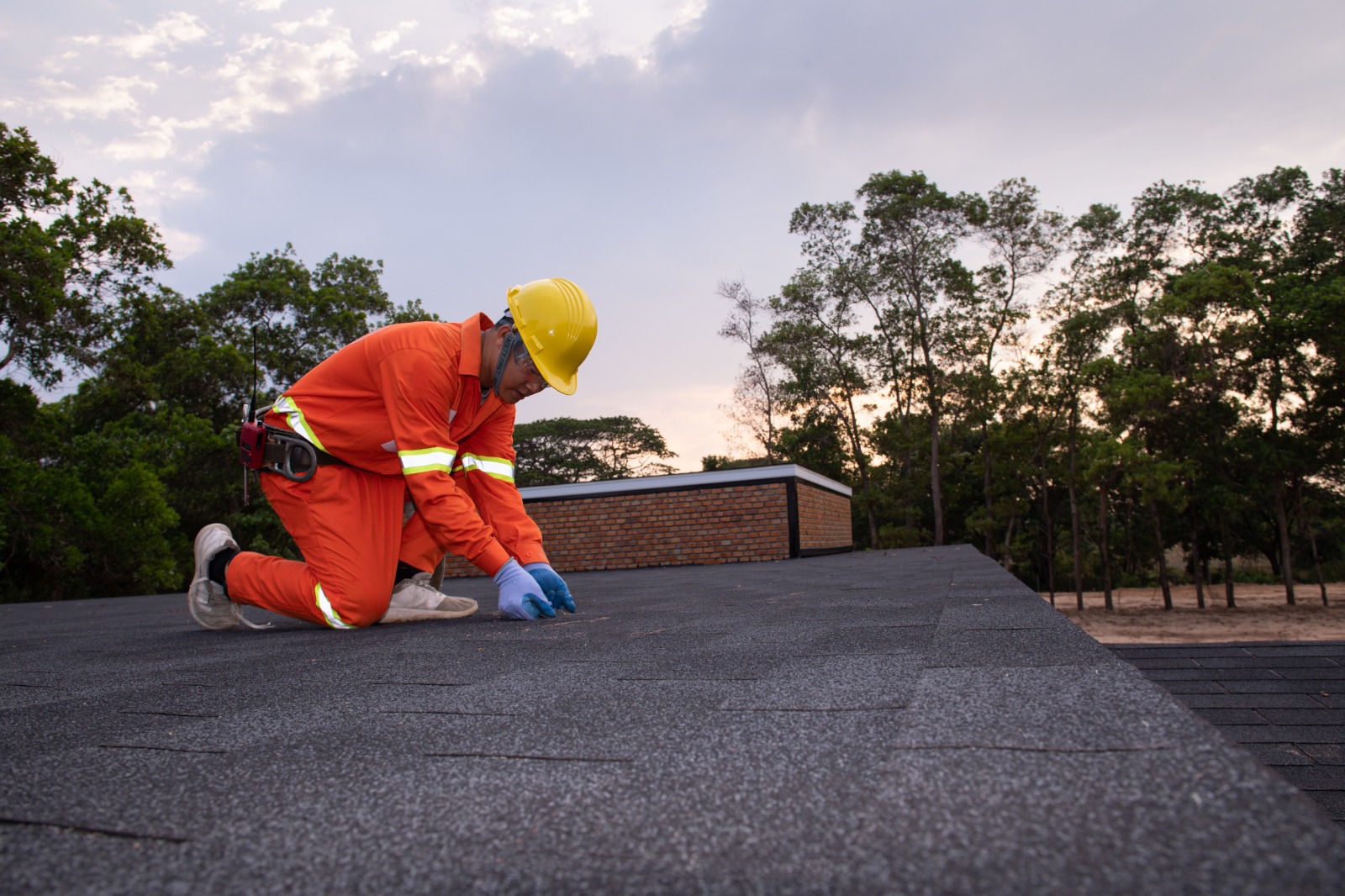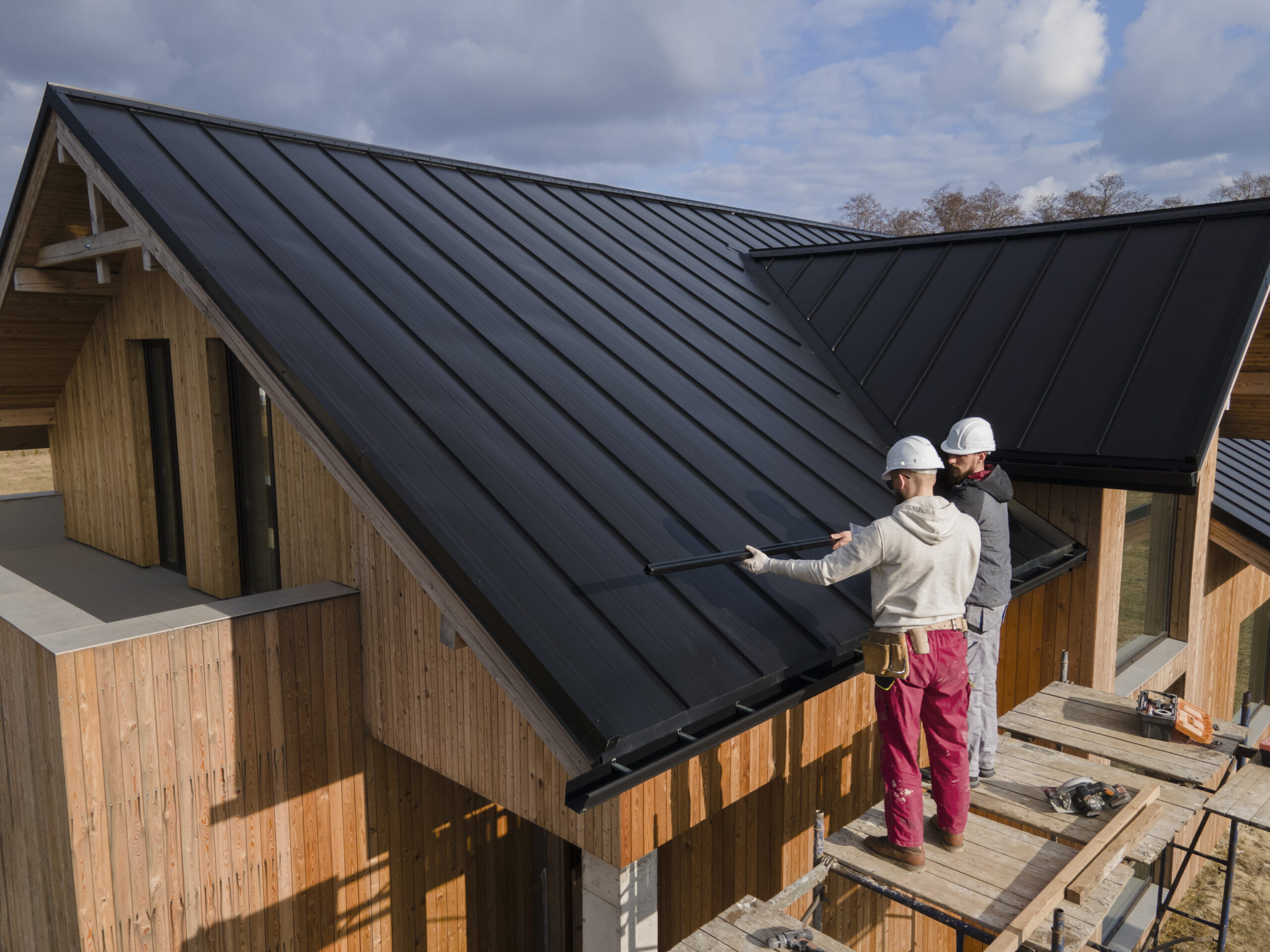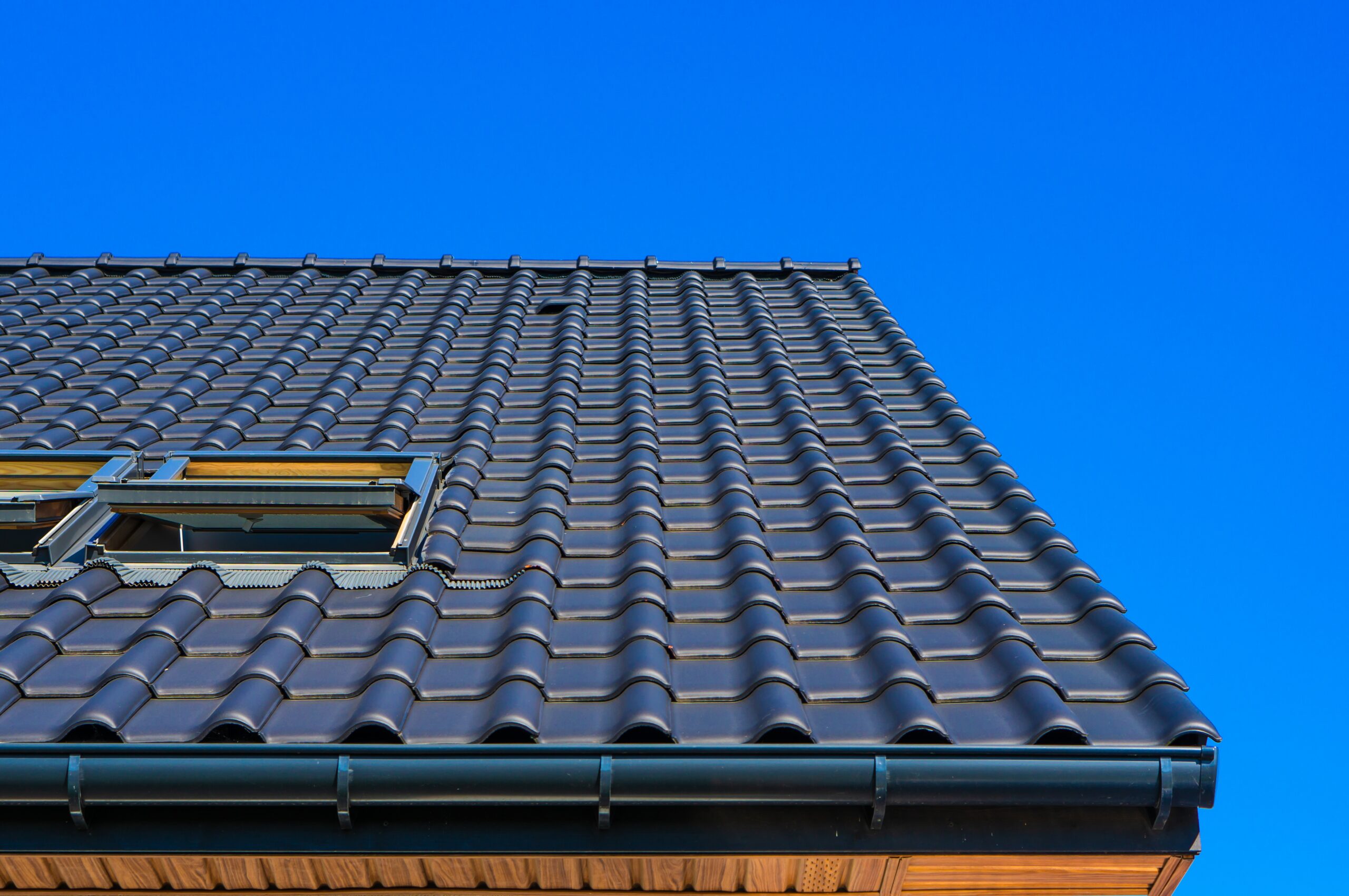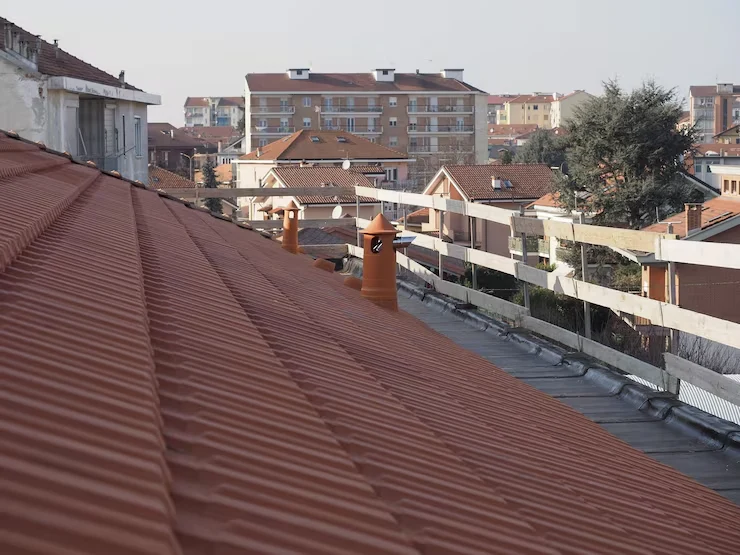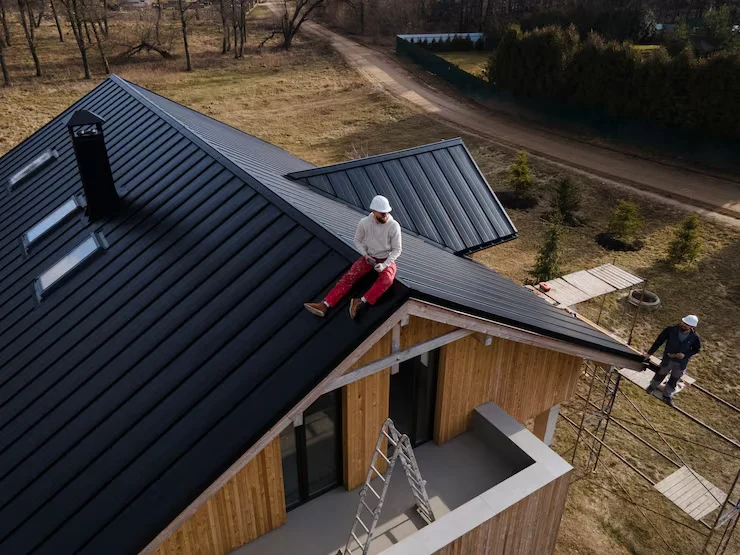
The roof replacement process for a Lakeland home follows a set order. A licensed roofer measures and quotes, a building permit is issued, the old roof comes off, the deck is checked and fastened, a water barrier goes down, the new covering goes on, and the city or county inspects the work at set points before it signs off.
The facts in this guide come from the Florida Building Code, the Florida Statutes and national cost figures published by Fixr, each linked where it is used. Local permit offices set their own forms and fees, so treat this as a map of the steps and confirm the details with your building department and your roofer.
The Roof Replacement Process Step by Step
A full replacement runs in roughly eight steps, from the first inspection to the final sign-off. Some happen in an office and some on the roof. The order matters, because the Florida Building Code says work must not go past each inspection point until the building official has approved it, so no step can be skipped.
That rule is in section 110.6 of the Florida Building Code, which also says work that fails an inspection must not be covered until the building official allows it (Florida Building Code, Chapter 1). Here is the usual sequence.
- Inspection and quote. A roofer looks at the roof, measures it and writes up the scope and price.
- Contract. You agree the materials, price, start date and who pulls the permit.
- Permit. The contractor applies to the building department and keeps the permit on site.
- Tear-off. The old covering is removed down to the deck.
- Deck repair and fastening. Damaged boards are replaced and the deck is nailed to current rules.
- Dry-in. A secondary water barrier goes down, and an inspection follows.
- New roof covering. Shingles, metal or tile are installed with flashing.
- Final inspection. The building official checks the finished work and closes the permit.
The sections below explain what happens at each stage and what you can check from the ground.
Getting a Quote and Signing the Contract
The process starts with an inspection and a written quote. A roofer checks the roof’s condition, measures it and explains whether it needs a full replacement or a repair. A good written quote lists the materials, the scope of tear-off, the price, the start date and who will apply for the permit.
Ask every roofer to put the same items on paper so you can compare quotes fairly. Fixr’s national cost guide shows how the price is built. It says labor covers removing the old roof, the underlayment and the installation, and that decking repairs often turn up only once the old roof is off (Fixr).
That second point is worth a line in the contract. Ask how replacement decking will be priced if the crew finds rotten boards, so a surprise on day one has a known cost. Fixr’s national figure for replacing roof decking is $2 to $8 per square foot.
Price is the first thing most people want to know. Fixr’s national average for a roof replacement is $10,000, with most projects between $7,500 and $14,000 (Fixr). Those are Fixr’s national market figures, not Lakeland prices. Our guide to what a new roof costs in Florida goes further into price.
Timing is the other early decision. Fixr says roofing demand drops in fall and winter, which can bring lower labor costs and faster scheduling. Our article on the best time of year to replace a roof in Lakeland weighs that against storm season.
The Building Permit Comes First
A roof replacement in Florida needs a building permit before work starts. The Florida Building Code says anyone who plans to repair or replace a regulated system must first apply to the building official and get the permit. A reroof is exempt from plan review, but not from the permit or the inspections.
Section 105.1 of the code sets out the permit duty, and section 107.3 lists reroofs among the jobs that do not need plans examined (Florida Building Code, Chapter 1). The code also allows ordinary minor repairs without a permit only with the building official’s approval, so do not assume a smaller job is exempt.
A few permit rules from the same chapter shape the schedule.
- Keep it on site. Section 105.7 says the permit or a copy must be kept on the site until the project is complete.
- Start within six months. Section 105.4.1 says a permit becomes invalid if work does not start within six months of issue, or stops for six months after it starts.
- Emergency work. Section 105.2.1 lets emergency repairs start first, with the permit application due by the next working business day.
Fixr says most cities require permits for roof replacement and puts the typical national cost at $100 to $500 (Fixr). The City of Lakeland and Polk County set their own fees and forms, so confirm the current rules with the building department that covers your address before work begins.
Tear-Off and What the Code Requires
On the first working day the crew removes the old covering down to the deck. The Florida Building Code requires a full tear-off in several cases, including when the old roof is water soaked or worn out, or when it already has two or more layers. That is why most Lakeland replacements start with bare decking.
Section 706.3 of the Florida Existing Building Code lists the tear-off triggers. Besides water damage and two or more existing layers, it names wood shake, slate, clay, cement and asbestos-cement tile (Florida Existing Building Code, Chapter 7). It does allow some standing-seam metal systems that do not rely on the old roof for support to go over it without removal.
Fixr’s national figure for tear-off and disposal averages $50 per square, including dumping fees, and it says heavier removals such as concrete tile or several asphalt layers can reach about $150 per square (Fixr). A square is 100 square feet of roof.
Tear-off is loud, messy work. Move cars away and keep people and pets clear of the roof edge.
Decking Repairs and Re-Nailing
Once the deck is bare, the crew checks it board by board. Soft or rotten pieces are replaced, and Florida’s code sets nailing rules for the deck when a roof covering on a wood deck is removed and replaced. This hidden step is one of the main reasons a new roof stands up better to wind.
Section 706.7.1 of the Florida Existing Building Code covers deck fastening, and it treats sawn lumber or plank decking up to 12 inches wide as fastened well enough with at least two 8d nails at each framing member, with extra nails added where needed (Florida Existing Building Code, Chapter 7). Wood panel decks follow a separate table.
State law backs this up. Section 553.844 of the Florida Statutes says a roof replacement must include the state’s secondary water barrier and roof-decking techniques, and that the decking work aims to strengthen deck attachments and fasteners during reroofing (Fla. Stat. s. 553.844).
Dry-In and the Secondary Water Barrier
Dry-in is the point when the bare deck is covered and the house is protected from rain again. When a roof covering is removed and replaced, the code requires a secondary water barrier on most sloped roofs. The building official can inspect the dry-in before the final covering goes on.
Section 706.7.2 of the Florida Existing Building Code requires that barrier, with exceptions for low-slope roofs under 2:12 with a continuous roof system and for clay or concrete tile systems installed to code (Florida Existing Building Code, Chapter 7).
The inspection points come from section 110.3 of the Florida Building Code (Florida Building Code, Chapter 1).
| Inspection | What it covers | When |
|---|---|---|
| Sheathing | Roof sheathing and fasteners | Part of dry-in or on its own, at the contractor’s request |
| Roofing | Dry-in, insulation, roof coverings and flashing | During the job |
| Final | The completed work | After the work is finished |
Section 110.5 places the duty to call for each inspection on the permit holder or their agent, who must also give the inspector access (Florida Building Code, Chapter 1). Ask your roofer to tell you when each inspection is booked and whether it passed.
Installing the New Roof Covering
With the deck dry and the barrier inspected, the crew installs the new covering. That means the starter course and shingles, metal panels or tile, plus flashing at walls, chimneys and valleys, and new vents where needed. Edge details and flashing matter most, because they are where wind and water get in first.
The material decides much of how long this stage takes, and so does the shape of the roof. A roof with many valleys, walls and chimneys needs more flashing work than a simple gable.
Fixr says a roof replacement is loud and will disrupt a household for between one and seven days, depending on the material, size and complexity of the roof (Fixr). A simple shingle roof sits at the short end and a large tile or complex roof at the long end. Rain days add to that.
From the ground you can check that the crew covers open areas at the end of each day, that gutters and landscaping are protected, and that a magnet sweep for nails is done before they leave. Leave anything on the roof itself to the roofer.
Final Inspection and Closing the Permit
The job is not finished when the crew packs up. The building official must inspect the completed work, and the permit stays open until that inspection passes. Keep the signed-off permit record with your contract, invoices and warranty papers, because an insurer or a future buyer may ask for proof of the new roof.
Section 110.3 of the Florida Building Code lists a final inspection once the work is complete, and section 110.6 says no work may go past an inspection point without approval (Florida Building Code, Chapter 1). A closed permit is the record that the work met code when it was done.
Roof records matter more as a house ages. Census data puts the median year built for housing in Lakeland at 1985 (U.S. Census Bureau ACS via Census Reporter), so many homes here are on their second or third roof. A dated permit makes the age of the current one easy to prove.
Before final payment, walk the yard with the roofer, ask for a copy of the passed inspection, and make sure you have both the manufacturer’s warranty and the roofer’s workmanship terms in writing.
Partial Replacement and the 25 Percent Rule
Not every job is a full roof. Florida’s code limits how much of an older roof can be repaired or replaced in a year before the whole roof must meet current code, and state law carves out an exception for newer roofs. This rule often decides whether a damaged roof is patched or fully replaced.
Section 706.1.1 of the Florida Existing Building Code says no more than 25 percent of a roof or roof section may be repaired, replaced or recovered in any 12 month period unless the whole roof or section is brought up to code (Florida Existing Building Code, Chapter 7).
Section 553.844(5) of the Florida Statutes sets the exception. If the roof was built, repaired or replaced to the 2007 Florida Building Code or later, and 25 percent or more is being worked on, only the repaired portion must meet current code (Fla. Stat. s. 553.844). Our guide to the Florida 25 percent roof rule explains how it plays out. The building official decides how it applies to your roof, so confirm with your building department.
Doing It Yourself Versus Hiring a Roofer
Florida law does let some owners act as their own contractor, but a roof replacement is dangerous work with strict code steps. Fixr warns that working on a roof yourself is dangerous and easy to get wrong, and that manufacturers often void warranties when a professional does not install the materials.
Section 489.103(7) of the Florida Statutes sets the owner-builder exemption. It covers a one or two family home for the owner’s own use, requires the owner to personally appear and sign the permit application and a disclosure statement, and requires direct, onsite supervision of all work not done by licensed contractors (Fla. Stat. s. 489.103). A sale or lease within one year of completion creates a presumption that the work was done for sale.
The owner-builder is then the permit holder who must call for each inspection. Speak with your building department, and an attorney if needed, before taking that on.
For a full replacement, the Roof Repair Lakeland FL page on roof replacement in Lakeland explains how a replacement is quoted and scheduled. For the rest of the year, our year-round roof care guide for Lakeland covers checks you can make from the ground.
Frequently Asked Questions
How long should it take to replace a roof?
Fixr says a roof replacement will disrupt a household for between one and seven days, depending on the roof’s material, size and complexity (Fixr). That is time on the roof only. Permits, scheduling, rain days and inspections add to the total, so ask your roofer for a start date and an expected finish in writing.
Is it cheaper to replace your own roof?
It can look cheaper, but Fixr warns that roof work is dangerous, easy to get wrong, and that manufacturers often void warranties when a professional does not install the materials (Fixr). Florida’s owner-builder exemption also puts the permit and supervision duties on you (Fla. Stat. s. 489.103). Hire a licensed roofer for the work.
What time of year is the cheapest to replace a roof?
Fixr says roofing demand drops in fall and winter, which can lead to lower labor costs and faster scheduling (Fixr). Fixr’s figures are national, so local timing can differ. Compare written quotes, and book early enough that the permit and inspections fit your schedule.