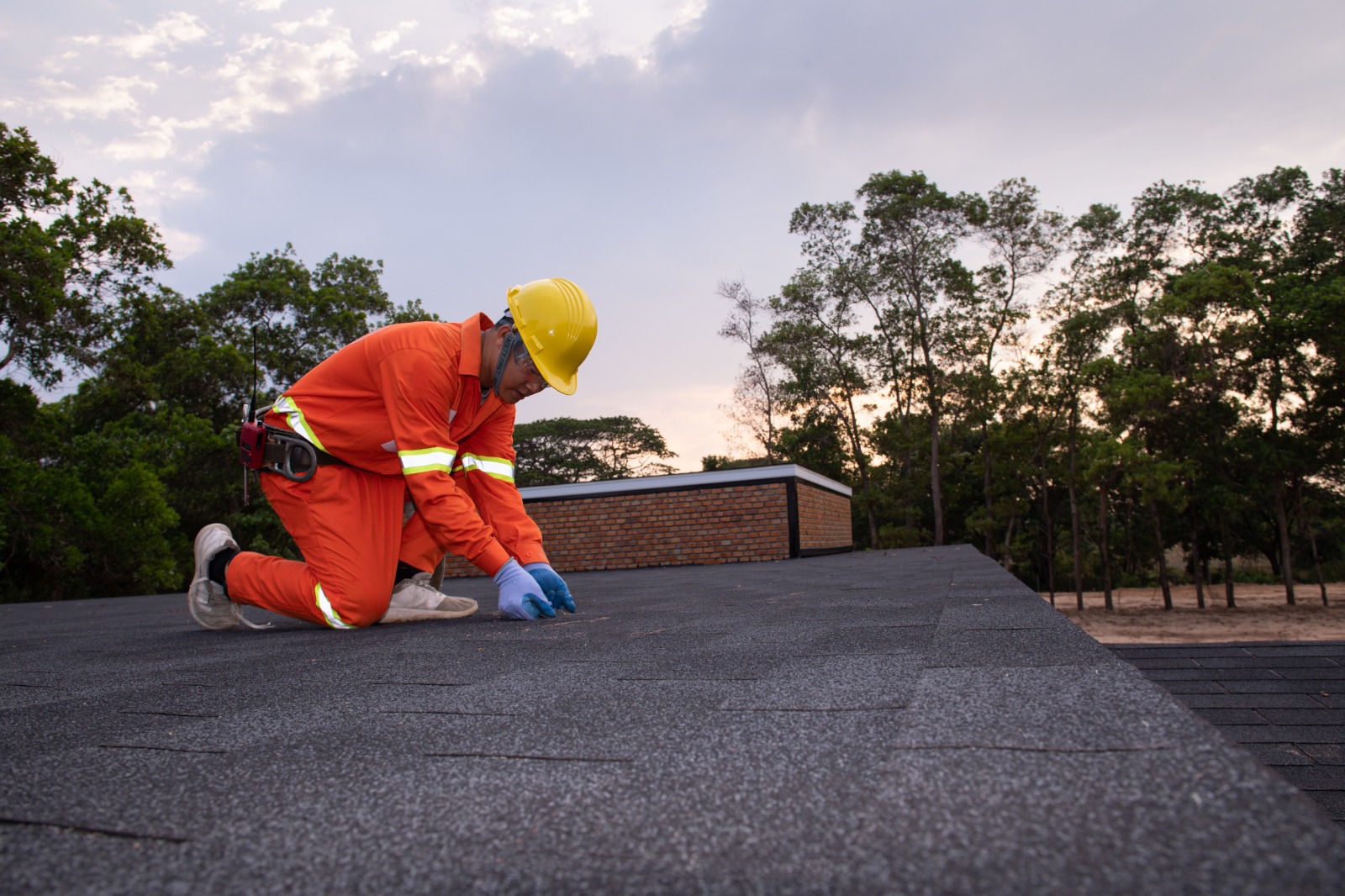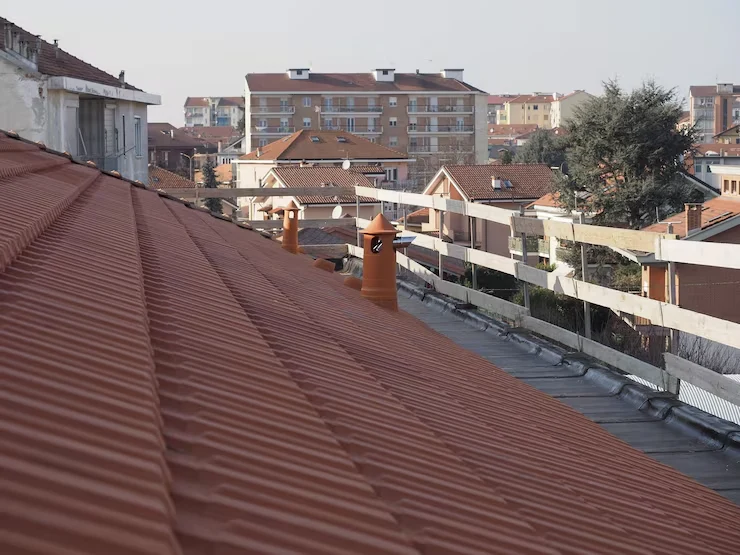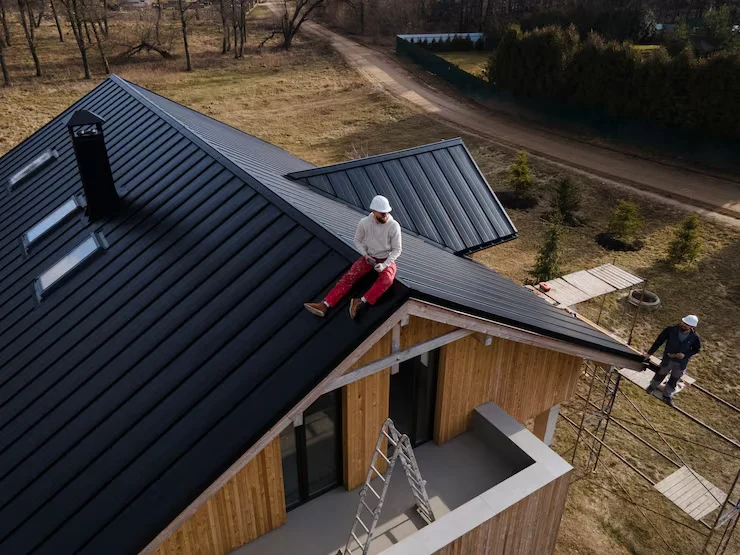
A roof inspection is a close, hands-on look at the roof covering, the flashing, the drains and the attic below, done by someone trained to spot trouble before it becomes a leak. In Lakeland, where storm season runs half the year, a good one gives you a written picture of the roof’s condition and a short list of what needs fixing.
The facts in this guide come from FEMA’s roof maintenance guidance, the American Society of Home Inspectors (ASHI) standard of practice, Florida’s insurance statute, national cost figures published by Fixr, and National Weather Service storm records for Polk County. Each one is linked where it is used, so you can read the source yourself.
The Parts of a Full Roof Inspection
A full inspection covers the roof surface, the metal flashing at walls and chimneys, gutters and downspouts, the openings for vents and skylights, and the attic under the deck. Fixr’s guide lists each of these, plus attic ventilation and signs of water, mold or moisture on the framing and deck.
Fixr’s list of what a trustworthy roofer checks is a useful yardstick (Fixr roof inspection cost). The table sorts it by part of the house.
| Area | What gets checked |
|---|---|
| Roof covering | Condition of the shingles, tile or metal, and how much life is left |
| Flashing | Metal at walls, valleys, chimneys and skylights |
| Openings in the roof | Vents, skylights and chimneys |
| Drainage | Gutters and downspouts |
| Edges | Fascia and soffit |
| Attic | Roof deck and framing for leaks, water stains, mold or moisture |
| Airflow | Attic ventilation |
ASHI’s standard for home inspectors sets a similar floor. It says an inspector shall inspect roofing materials, roof drainage systems, flashing, and skylights, chimneys and other openings through the roof, and shall describe the roofing materials and the methods used to inspect the roofing (ASHI Standard of Practice).
That last point matters more than it sounds. A report should tell you how the roof was looked at: walked, viewed from a ladder, viewed from the ground or flown with a drone. A roof looked at only from the ground is a lighter check than one walked from end to end.
Fixr warns that some companies charge extra for the attic part of the job. Ask before you book whether the attic is included, because water often shows on the deck and rafters before it shows on a ceiling.
The Limits of a Roof Inspection
An inspection is a visual check of what can be safely reached and seen. It does not open up the roof, lift every shingle or test hidden parts. ASHI’s standard says inspectors are not required to inspect antennas, the inside of vents, flues and chimneys that are not readily accessible, or other installed accessories.
Knowing the limits helps you read a report fairly (ASHI Standard of Practice). A clean report means nothing visible was found on the day, not that the roof is guaranteed.
- Hidden layers. Underlayment and deck nailing sit under the roof covering and are usually seen only where something is already open or damaged.
- Weather on the day. A dry day shows stains and wear; it cannot show a leak that only runs in wind-driven rain.
- Access. Fixr notes that drones suit very steep roofs, multi-story homes and roofs that cannot safely carry a person’s weight, and says they can be surprisingly accurate.
Fixr also says infrared inspections are mainly used on commercial roofs. For a house, a careful physical or drone look plus the attic is the normal job.
The Right Times to Book a Roof Inspection
FEMA says a roof should be inspected at least twice a year, generally in spring and fall, and also after high wind events to check for storm damage. It adds that needed repairs should be done quickly after the inspection. In Lakeland that rhythm fits neatly around hurricane season, which runs June 1 to November 30.
FEMA’s advice comes from its hurricane mitigation fact sheet for sloped roofs (FEMA P-2181 Fact Sheet 3.3.1). The National Hurricane Center puts the season from June 1 to November 30, with most activity from mid-August to mid-October (NHC climatology).
Fixr lists other moments that call for a roofer’s look (Fixr).
- After a storm. Fixr says pieces of shingle on the lawn after a storm, or odd-looking spots after hail, mean it is time for an inspection.
- When you see a leak. A stain on the ceiling or a drip in the attic.
- When you sell or refinance. Buyers and lenders may ask about the roof.
- When you change insurance companies. Fixr notes that a new insurer may ask for proof of the roof’s remaining life.
Storms here are not theoretical. During Hurricane Milton in October 2024, the National Weather Service reported peak gusts across Polk County generally between 80 and 90 mph, and Lakeland Linder International Airport recorded 8.93 inches of rain in one day, its highest one-day total on record (NWS Tampa Bay). A roof that came through a storm like that deserves a proper look even if no water came inside.
Roof Age and Florida Insurance Inspections
Florida law ties roof inspections to insurance once a roof reaches 15 years old. An insurer must let the homeowner have the roof inspected by an authorized inspector, at the homeowner’s cost, before requiring replacement, and may not refuse or non-renew solely for age if the roof shows 5 or more years of useful life left.
That is section 627.7011(5) of the Florida Statutes (FindLaw mirror). The same subsection says an insurer may not refuse to issue or renew a homeowner’s policy solely because of the age of a roof under 15 years old. It applies to policies issued or renewed on or after July 1, 2022.
The statute lists who counts as an authorized inspector. The list includes a licensed home inspector, a certified building code inspector, a licensed general, building, residential or roofing contractor, a licensed professional engineer or architect, or another person the insurer recognises as qualified. The insurer must approve the inspector.
Age is a real question in Lakeland. Census figures put the median year a home in the city was built at 1985 (ACS 2024 via Census Reporter), so many houses here have had at least one roof already and some are due for another. The statute counts roof age from the last time the whole roof surface was built or replaced to code.
Insurance rules change and policies differ. Read your own policy, and confirm with your insurer or an attorney what applies to you before you act on any of this.
A Roof Inspection Compared With a 4-Point Inspection
A full roof inspection and a 4-point inspection answer different questions. The roof inspection looks at the condition of the whole roof and what needs repair. A 4-point inspection is an insurance form that covers the roof along with the electrical, plumbing and heating and cooling systems, usually on older homes.
If your insurer has asked for a 4-point, our guide to the 4-point inspection in Florida explains what the form asks about the roof. If you are buying a house, a general home inspection follows a standard like ASHI’s, which is a start. Our article on checking the roof before you buy a home in Lakeland covers what to ask for on top of that.
| Type of check | Main purpose | What it covers |
|---|---|---|
| Full roof inspection | Condition and repair needs | Covering, flashing, drains, openings, attic |
| 4-point inspection | Insurance underwriting | Roof plus electrical, plumbing and HVAC |
| Home inspection | Buying or selling | Whole house, with roofing as one section |
| Ground check by you | Spotting obvious change | What can be seen from the yard and inside |
Fixr notes that if you need a roof certification, a document showing buyers, lenders or insurers that the roof has life left, you should tell the inspector before the visit (Fixr). It is easier to plan the visit around that need than to add it afterwards.
Roof Inspection Costs Published Nationally
Fixr’s national figures put the average cost of a roof inspection at $426, with most homeowners paying between $307 and $571. Its low end is $120 and its high end is $800. These are national market figures from Fixr, not Lakeland prices and not this business’s pricing, and a local quote depends on the roof.
Those figures come from Fixr’s roof inspection cost guide, updated January 31, 2025 (Fixr). Size, pitch, height and material all change how long a careful inspection takes.
Fixr also says some companies advertise a free roof inspection, and that you should always ask what it includes. It warns that some contractors use free offers to bring in customers and then upsell work. A free visit can be fine, but the questions below apply to it just as much as to a paid one.
Signs of a Good Inspection Report
A good result is something you can keep and check. It names the roofing material, says how the roof was inspected, lists what was found by area, and separates urgent repairs from things to watch. ASHI’s standard requires an inspector to describe both the roofing materials and the methods used to inspect them.
Use this short list when you read a report or listen to a roofer’s findings (ASHI).
- Method stated. Walked, ladder, ground or drone, and whether the attic was entered.
- Findings by area. Covering, flashing, drains, openings, attic, so you can see what was checked.
- Photos of problems. Ask for them. A photo of the damaged spot lets you compare it with your own view from the ground.
- Priorities. Which items affect water getting in now and which can wait.
- Remaining life. A view on how much life the roof has left, if you need it for insurance or a sale.
If a finding is not clear, ask to see it. A second opinion from another roofer is reasonable before any large repair or a full replacement.
Checks You Can Do From the Ground
You can spot many warning signs without leaving the ground. Walk around the house on a clear day and look for missing or lifted shingles, cracked tile, bent metal, granules piling up at downspouts, sagging gutters, and branches touching the roof. Inside, look for ceiling stains and, on a dry day only, attic stains.
Do not climb a ladder or walk on the roof to get a better view. If something looks wrong from the ground, that is the moment to book a professional, and our year-round roof care guide for Lakeland sets out a seasonal checking plan you can follow from the yard and inside the house.
- Stay off the roof. Roofs are slippery and storm damage can make sections unsafe to stand on.
- Never go into the attic during a storm. Wait for a dry, calm day.
- Water near light fixtures or wiring. Turn off power at the breaker if safe to do so, keep people out of the room, and call an electrician as well as a roofer.
Write down what you see, with the date and a few photos taken from the ground. Those notes help the inspector and give you a record if you later need to talk with your insurer.
Booking a Professional Roof Inspection in Lakeland
Book an inspection twice a year as FEMA suggests, after any strong storm, when you see a leak, and before you sell, refinance or switch insurers. Ask what is included, whether the attic is part of the job, how the roof will be inspected, and whether you will receive a written report with photos.
For a full roof check, the Roof Repair Lakeland FL page on roof inspection in Lakeland explains what an inspection involves and how to book one. Have your notes and any earlier reports ready, along with the date the roof was last replaced if you know it.
Frequently Asked Questions
Is a roof inspection worth it?
Usually yes, if it finds problems while they are still small. FEMA says a roof should be inspected at least twice a year and after high wind events, with repairs done quickly afterwards (FEMA). For roofs 15 years or older in Florida, an inspection can also matter for insurance under s. 627.7011 (FindLaw); confirm with your insurer.
How much does it cost to check a roof?
Fixr’s national average for a roof inspection is $426, with a typical range of $307 to $571 and a low and high end of $120 and $800 (Fixr). Those are Fixr’s national market figures, not Lakeland prices. Ask what any free inspection includes, as Fixr advises.
How to tell if a roofer is lying?
You cannot always tell, but you can check. Ask how the roof was inspected and for photos of each problem, which ASHI’s standard supports by requiring inspectors to describe their methods (ASHI). Fixr warns that some free inspections are used to upsell work (Fixr). Get a second opinion before a large repair.
Should a 20 year old roof be replaced?
Not on age alone. Under s. 627.7011(5), a Florida insurer must let you have a roof 15 years or older inspected before requiring replacement, and may not refuse or non-renew solely for age if the roof has 5 or more years of useful life left (FindLaw). An inspection shows its condition; confirm the rules with your insurer.