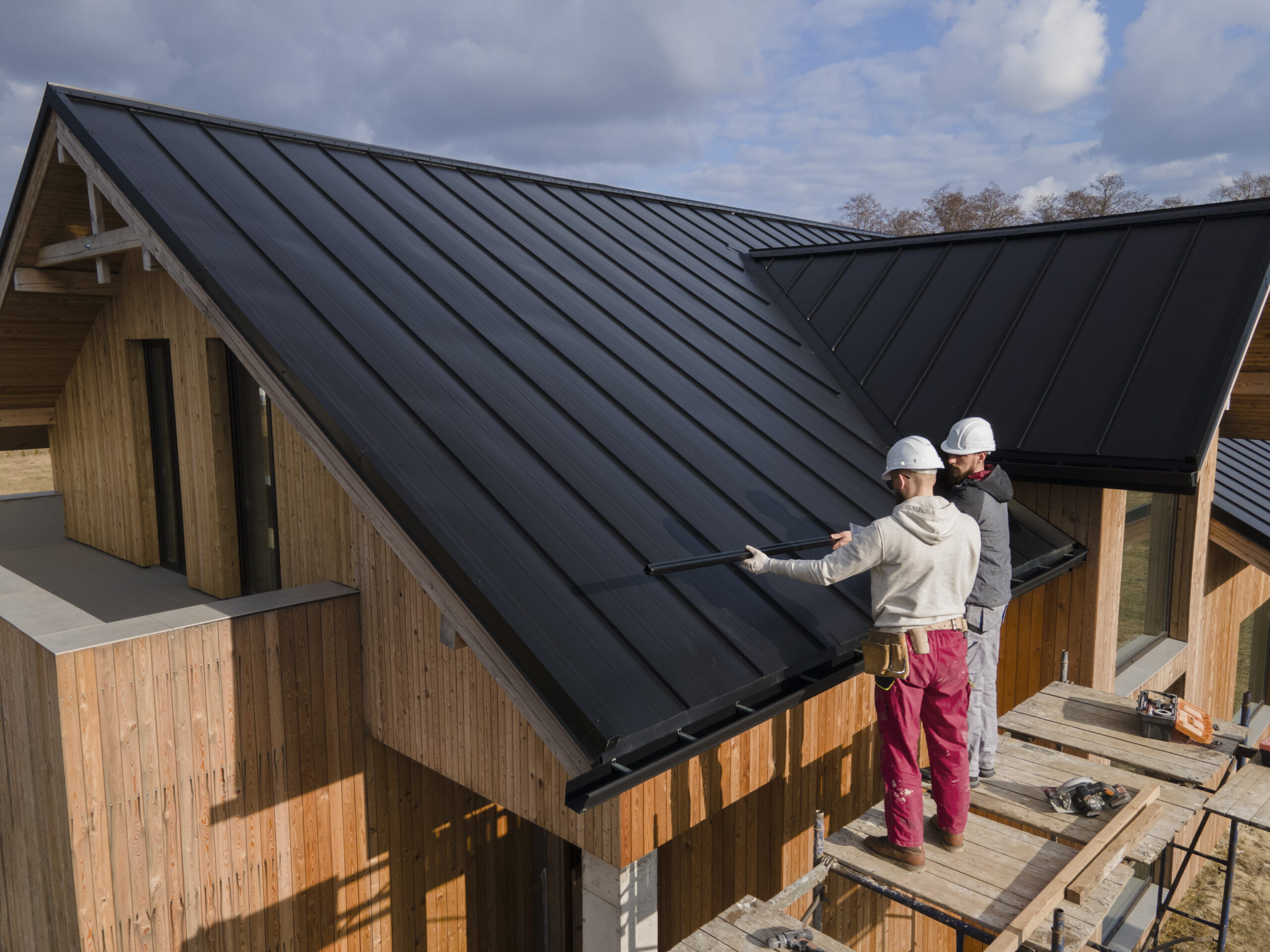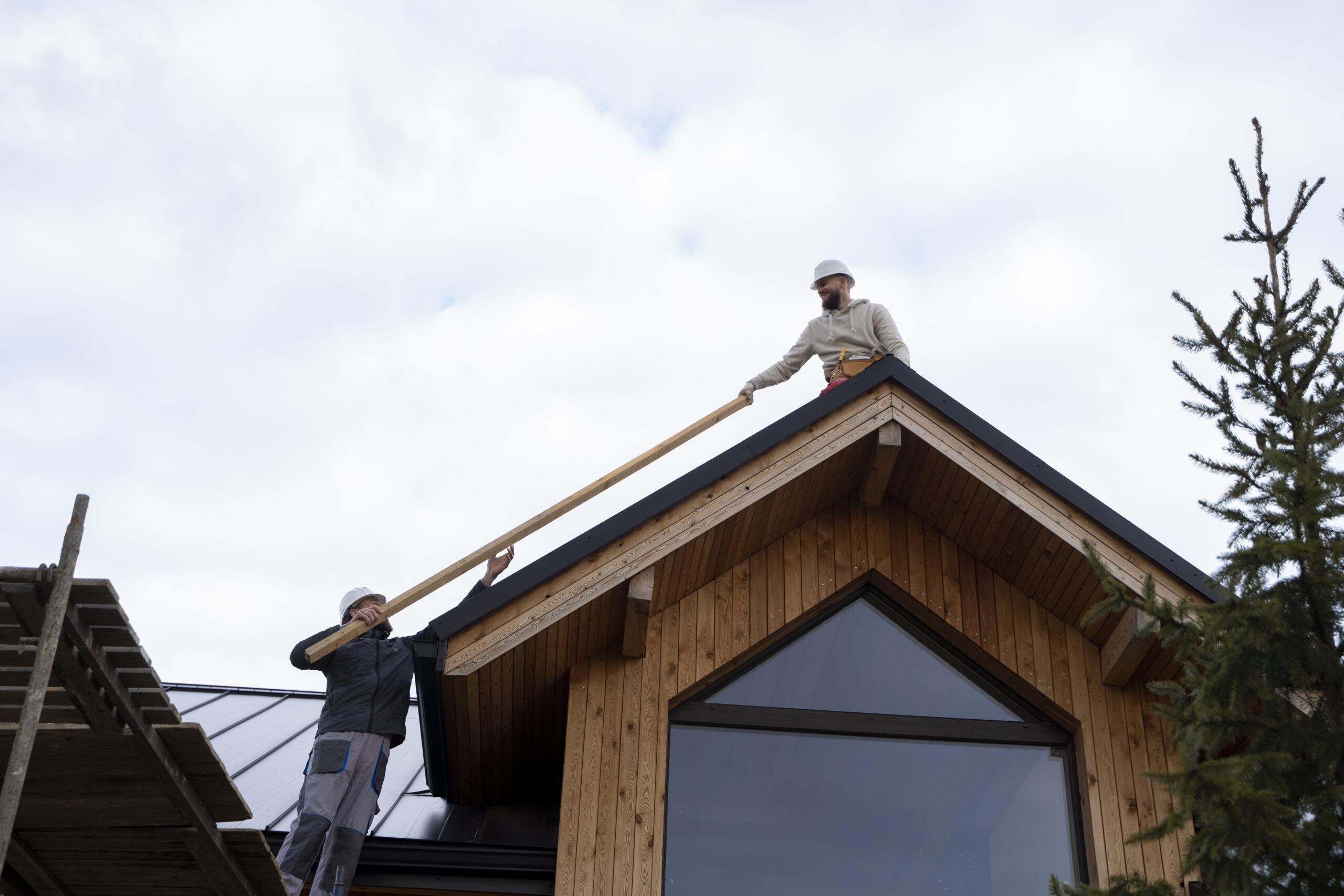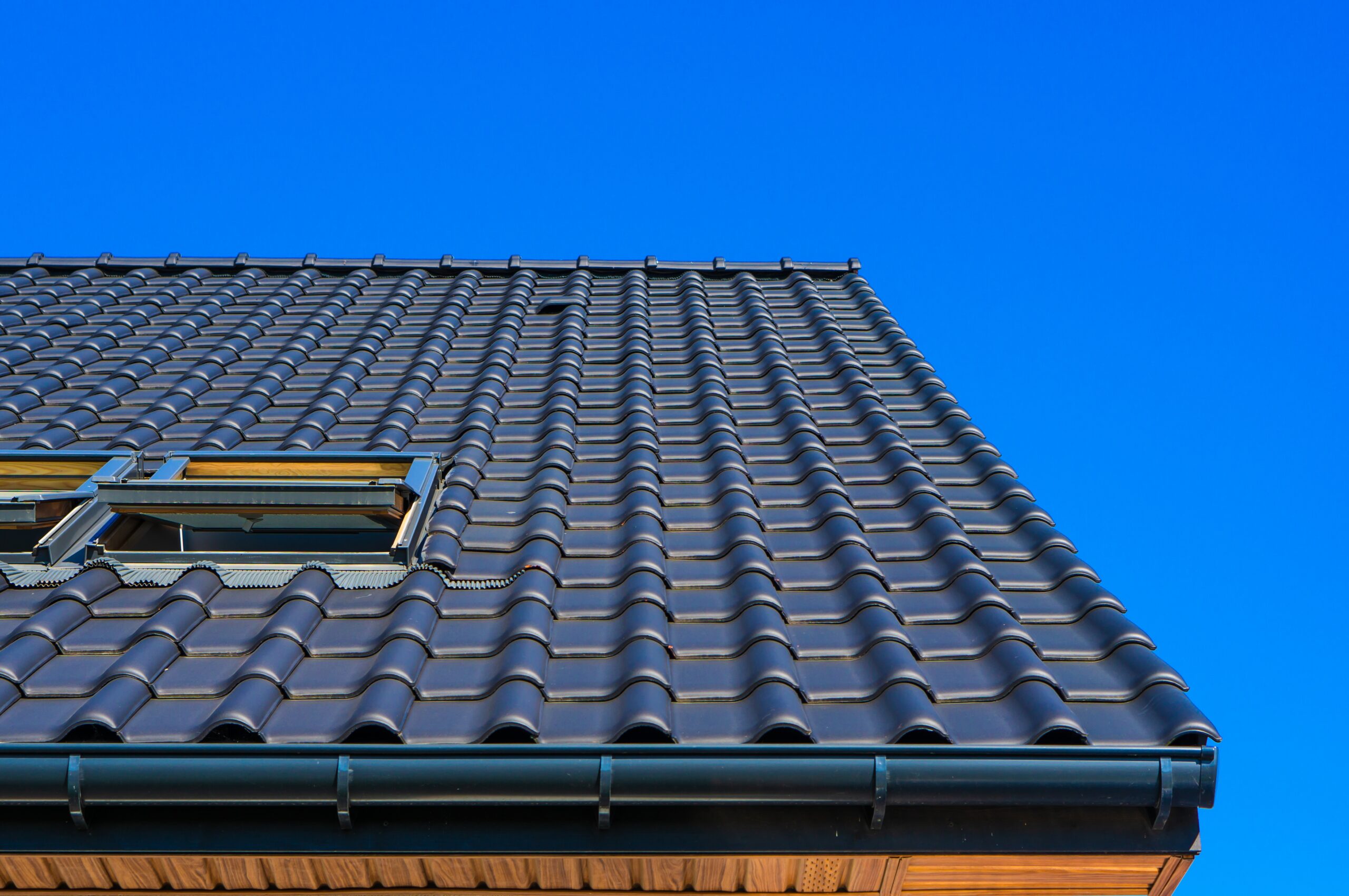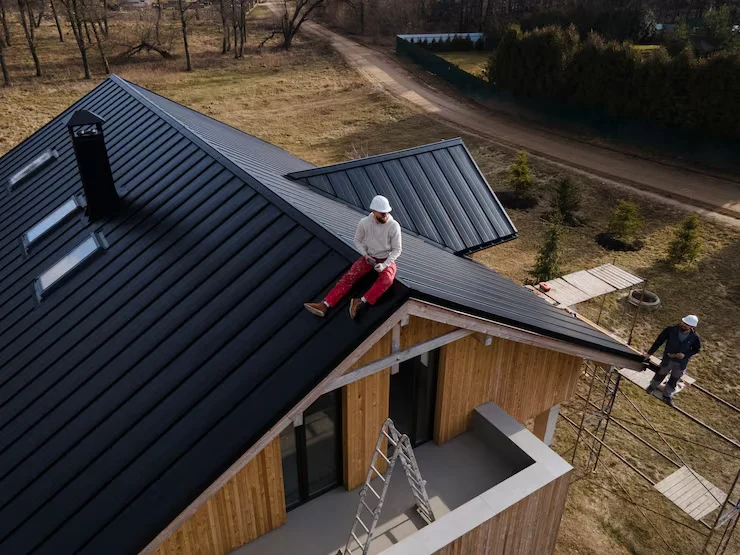
Panels on the roof do not stop the roof under them from wearing out. When the shingles need to go, solar panels roof replacement becomes a two-trade job: the panels are switched off, taken down and stored, the new roof goes on, and the panels go back up and are checked. Planning it well keeps the cost and the risk down.
This guide covers how that sequence works, what national cost estimates say, who usually does each part, the code and statute points that apply in Florida, and how to judge roof age before panels go up at all. The facts come from the US Department of Energy, the Florida Building Code, Florida Statutes and Fixr’s published cost data, each linked where it is used.
Roof Age Comes First Before Solar Goes Up
The cheapest panel removal is the one you never need. The US Department of Energy tells homeowners to consider the age of the roof and how long until it needs replacing before going solar. It says panels last about 25 to 30 years, close to the life of a roof, so timing the two together matters.
The Department of Energy’s guide to going solar lists roof size, shape and slope as key factors, says panels perform best on south-facing roofs with a slope between 15 and 40 degrees, and adds that you “should also consider the age of your roof and how long until it will need replacement” (DOE, Homeowner’s Guide to Going Solar).
A separate Department of Energy article puts numbers on the overlap. It says panels last “about 25-30 years, which is similar to the lifetime of a roof,” and that a roof will last anywhere from 20 to 50 years depending on materials (DOE, Replacing Your Roof? It’s a Great Time to Add Solar).
| Point | What the source says | Source |
|---|---|---|
| Solar panel life | About 25 to 30 years | DOE article |
| Roof life | 20 to 50 years, by material | DOE article |
| Best panel slope | 15 to 40 degrees, south facing | DOE guide |
| Heavy tree shade | Makes panels less ideal | DOE guide |
If a shingle roof is already well into its life, the panels will likely outlast it, and you will pay to take them down later. A roof inspection before signing a solar contract tells you roughly how much life is left. The material matters too; our guide to roofing materials for Lakeland homes compares how long each type tends to last.
Solar Panels and Roof Replacement Done Together
Replacing the roof and adding solar in one project means the panels go onto a fresh roof and never have to come off for a re-roof during their working life. The Department of Energy estimates a combined project could cost about $25,000 and save around $4,000 compared with doing the two jobs separately.
The Department of Energy article says that doing both jobs together means you “avoid needing to have your solar panels re-installed after replacing your roof” (DOE, Replacing Your Roof? It’s a Great Time to Add Solar). Its $25,000 combined figure and $4,000 saving are national estimates published by the Department of Energy, not prices from this business, and your own quotes will differ.
Combining the work also simplifies scheduling. The roofer can install the new covering, then the solar installer can mount racking onto a deck and roof that both trades know are new. Ask each contractor how they will coordinate flashing around the mounts so neither warranty is put at risk.
Taking Panels Off and Putting Them Back
Removing panels for a new roof follows a set order. The system is disconnected and the panels and racking come down, the roof is replaced, then the panels are remounted, reconnected and inspected. Fixr says removal usually takes 1 to 2 days and reinstalling takes 2 to 3 days after the new roof is on.
Here is the usual sequence, based on Fixr’s cost guide (Fixr, cost to remove solar panels to replace a roof):
- Disconnect. The solar system is switched off and disconnected from the home’s electrical system.
- Remove. Panels and racking are taken down and stored on site or off site.
- Re-roof. The roofer tears off and replaces the roof covering.
- Reinstall. Racking and panels go back on the new roof, with the mounting points sealed.
- Inspect. The system is checked and recommissioned before it produces power again.
All of this is work for professionals. Solar panels carry live electrical current whenever light hits them, and the work is done on a roof. Do not climb up or unbolt anything yourself. Fixr also says DIY removal is not recommended. Our post on the roof replacement process in Lakeland walks through the roofing part of the job in more detail.
National Cost Estimates for Removal and Reinstall
Fixr publishes a national average of $3,800 to remove and reinstall about 15 panels for a re-roof, with a typical range of $2,800 to $4,800. It puts the per-panel cost at $200 to $300. These are national market estimates published by Fixr, not this business’s pricing.
The figures below come from Fixr’s guide, updated in January 2025 (Fixr, cost to remove solar panels to replace a roof):
| Item | Fixr national figure |
|---|---|
| Average, about 15 panels | $3,800 |
| Typical range, 14 to 16 panels on a 1,500 sq ft roof | $2,800 to $4,800 |
| Per panel, disconnect to inspection | $200 to $300 |
| Low end, disconnect and remove only | $1,500 |
| High end, including a full roof replacement | $18,000 |
| Offsite storage | $250 |
| Repairs after poor removal | $400 to $1,000 |
| Solar shingle removal, per sq ft | $5 |
Fixr says hard-to-reach panel locations, a steep roof pitch and larger arrays all add labour and time. The per-panel figure includes the inspection after reinstall, so check that each quote you receive covers the same steps.
So yes, a roof with solar on it costs more to replace than the same roof without panels, by the removal and reinstall charge. Fixr notes that solar shingles cost about $5 per square foot to remove and cannot be reused the way standard panels can.
The Two Trades That Share the Work
Two trades usually share this work. Fixr says panel removal is usually handled by a solar company rather than the roofer, though some companies offer both. The roofer replaces the roof covering. Before signing, confirm the warranties of both the roof and the solar system, because uncertified work may void them.
Fixr’s guide says, “Removing the panels is easy to do, but a skilled contractor should do it,” and warns that uncertified work may void warranties and insurance coverage (Fixr, cost to remove solar panels to replace a roof). It adds that roof warranty coverage typically lasts at least 10 years but varies by company.
Questions worth asking both contractors:
- Original installer. Whether the company that installed the panels must do the removal to keep the solar warranty in force.
- Mount sealing. Who is responsible for flashing and sealing each new roof penetration.
- Storage. Where the panels will be kept while the roof is open, and who carries the risk of damage.
- Inspection. Whether reinstall includes inspection and recommissioning.
- Insurance. Whether removal by a given company affects your homeowners policy. Confirm this with your insurer.
Read the actual warranty documents rather than relying on a summary. The terms of your panels, inverter and roof decide what is covered, and only your insurer can say how a change affects your policy.
Florida Code and Statute Points
The Florida Building Code requires rooftop solar panel systems to be tested, listed and identified with a fire classification under UL 1703 or UL 2703. Separately, Florida Statutes section 163.04 says deed restrictions and associations cannot ban solar collectors, though an association may choose the roof location within limits.
Section 1505.9 of the 2023 Florida Building Code covers rooftop-mounted photovoltaic panel systems, and section 1505.8 says building-integrated photovoltaic products used as the roof covering must be tested, listed and labelled for fire classification (Florida Building Code 2023, Chapter 15). Section 1502.1 defines a photovoltaic panel system as one that converts solar radiation into electricity, including rack support systems.
Section 163.04 of the Florida Statutes says a deed restriction, covenant or similar agreement may not prohibit solar collectors, and an association may not deny an owner permission to install them. The association may choose where on the roof they go, but only within an orientation to the south or within 45 degrees east or west of due south, and only if that choice does not impair how well they work (Florida Statutes s. 163.04, FindLaw).
The Department of Energy guide adds that a qualified installer will install panels to meet local building, fire and electrical codes. This is a summary of the source text. Your local building department decides what permits a re-roof with solar needs, your association documents set its process, and an attorney can advise on any dispute.
Downsides to Weigh Before You Start
Solar on a roof adds cost and risk to every future re-roof. Fixr lists the downsides of removal as extra labour and cost, the chance of panel or roof damage if the job is done poorly, exposed mounting holes that need patching, and possible storage fees. The Department of Energy adds that heavy shade makes panels less ideal.
From Fixr’s guide (Fixr, cost to remove solar panels to replace a roof):
- Added cost. The removal and reinstall charge sits on top of the roof price.
- Damage risk. Poor handling can damage panels or the new roof, with repairs Fixr puts at $400 to $1,000 nationally.
- Mounting holes. Old mount points must be patched and new ones sealed.
- Storage. Fixr lists about $250 for offsite storage if there is no room on site.
- Downtime. The system produces nothing while it is off the roof.
Each new mount is a hole through the roof covering, so the quality of the flashing matters for years. Some owners look at roof types that last longer under an array; our post on the standing seam metal roof in Lakeland covers one such option.
Planning a Re-Roof Under Solar in Lakeland
For a Lakeland home with panels, start by getting the roof inspected to judge remaining life, then gather quotes from both a roofer and a solar company, compare what each quote covers, and confirm warranties and permits in writing before anything comes off the roof.
A short checklist:
- Roof condition. Get a professional view of how many years the roof has left before you add or keep panels.
- Matching quotes. Make sure every removal quote covers disconnection, storage, reinstall and inspection.
- Warranties. Read the panel, inverter and roof warranties for who may remove and reinstall.
- Permits. Ask the building department what the re-roof and reinstall need.
- Association rules. If you have one, check its process against section 163.04.
- Schedule. Ask how many days the system will be off and when it will be recommissioned.
If you want to compare roofing options for a home with solar, the Roof Repair Lakeland FL page on roof replacement in Lakeland explains how a replacement is planned.
Frequently Asked Questions
Is it more expensive to replace a roof if you have solar panels?
Yes, because the panels must come off and go back on. Fixr publishes a national average of $3,800 for about 15 panels, or $200 to $300 per panel, as market estimates (Fixr, cost to remove solar panels to replace a roof). Your own quotes will vary with roof pitch, access and array size.
What happens to solar panels if I need to replace my roof?
The system is disconnected, the panels and racking are removed and stored, the roof is replaced, and the panels are reinstalled and inspected. Fixr says removal takes about 1 to 2 days and reinstalling 2 to 3 days (Fixr, cost to remove solar panels to replace a roof). Professionals should do all of it.
How much does it cost to remove solar panels to put on a new roof?
Fixr’s national figures run from $1,500 to disconnect and remove about 15 panels only, to a typical $2,800 to $4,800 for removal and reinstall, to $18,000 when a full roof replacement is included (Fixr, cost to remove solar panels to replace a roof). These are national estimates, not local prices.
What is the downside of solar panels on the roof?
Every future re-roof carries a removal and reinstall cost, a risk of damage, new mounting holes and system downtime, as Fixr lists (Fixr, cost to remove solar panels to replace a roof). The Department of Energy also says heavy tree shade makes panels less ideal (DOE guide).