A roof estimate that runs to one line, or to three pages of trade terms, is hard to judge and harder to compare. This guide shows how to read a roof estimate for a repair: the line items that belong on it, the scope and material details that change the price, and the payment terms Florida law speaks to.
It does not quote a sample estimate with made-up numbers. The only prices here are national market figures published by Fixr, labelled as such, and they are not this business’s pricing. Legal points summarise the statutes as published. Confirm how they apply to your job with your local building department or an attorney.
The Factors Behind the Price of a Roof Repair
Fixr names three things as the most important cost factors in a roof leak repair: the cause of the leak, how far the damage has spread, and the type of roof. Labor makes up around 60% of the total, so anything that adds time on the roof adds cost to the estimate.
Fixr’s national estimates, updated January 27, 2026, give these ranges for roof leak repair (Fixr):
| Repair size | National range published by Fixr |
|---|---|
| Typical leak repair | $350 to $1,500, average $800 |
| Minor repair | $150 to $800 |
| Moderate repair | $800 to $3,000 |
| Major repair | up to $8,000 |
These are national figures, not Polk County or Lakeland prices. Fixr also lists the roof’s pitch and complexity, the roof’s age, local labor rates, permits, emergency call fees and disposal of old material as things that move the price. The question to ask of any estimate is whether the paper explains its number.
The Line Items a Repair Estimate Should Show
A clear repair estimate names the problem it fixes, the area it covers, the materials it uses, who pulls the permit, what happens to old material, and what the warranty covers. Each of those is a separate line you can ask about. A single total with no breakdown leaves you unable to compare two quotes.
Use this list as a reading guide when an estimate arrives:
- The diagnosis. The cause of the leak in plain words, and where it is on the roof. Fixr lists the leak’s cause as a main cost factor, so the cause should be on paper.
- The scope. The area to be repaired, and whether the work stops at the visible damage or includes decking underneath.
- The materials. The product type for shingles, tile, metal or underlayment, and whether it matches what is on the roof now.
- Labor. Shown as part of the total or as its own line. Fixr puts labor at around 60% of a repair.
- The permit. Whether one is needed and who applies for it.
- Disposal. Whether removing old material is included.
- The warranty. What it covers, for how long, and who stands behind it.
- The payment terms. The deposit, when each payment is due, and what triggers the final payment.
Scope Is Where Two Quotes Differ Most
Two roofers can look at the same leak and write very different quotes because they plan different work. One may patch the spot that leaks. Another may replace a wider section, or decking under it. Before comparing prices, line the two scopes up side by side and check that they describe the same job.
Fixr names the extent of the damage as one of the most important cost factors (Fixr). That is why scope is the first thing to compare. Ask each roofer to point to the area on the roof, or on photos, that the estimate covers.
Watch for these scope words on an estimate:
- Patch or spot repair. Work limited to the damaged area.
- Section replacement. A larger area replaced, which should state its size.
- Decking repair. Wood under the roof covering replaced. Ask how the roofer will decide how much, and how extra decking found during the job will be priced.
- Replacement. The whole roof. If a repair visit comes back with only a replacement quote, ask for the diagnosis that rules out a repair.
A replacement is a different purchase from a repair. Fixr’s national average for a full roof replacement is $10,000 (Fixr), against an $800 national average for a leak repair. If you are weighing the two, our guide to what a new roof costs in Florida covers replacement prices and what they leave out.
Materials and the Roof You Already Have
The roof type is one of the three cost factors Fixr ranks first. A repair on a tile or metal roof is a different job from one on asphalt shingles, and a fair estimate names the material it will use. Matching the existing roof matters, because a mismatched patch can look wrong and may not seal the same way.
Fixr’s figures show how much the material moves the number. Asphalt shingles are the least costly material it lists for leak repair, and slate the most costly (Fixr).
When you read the materials line, check three things:
- Product type. Shingle, tile, metal or underlayment, named rather than described as “roofing materials”.
- Match. Whether the repair material matches what is already on the roof, and what happens if an exact match is not available.
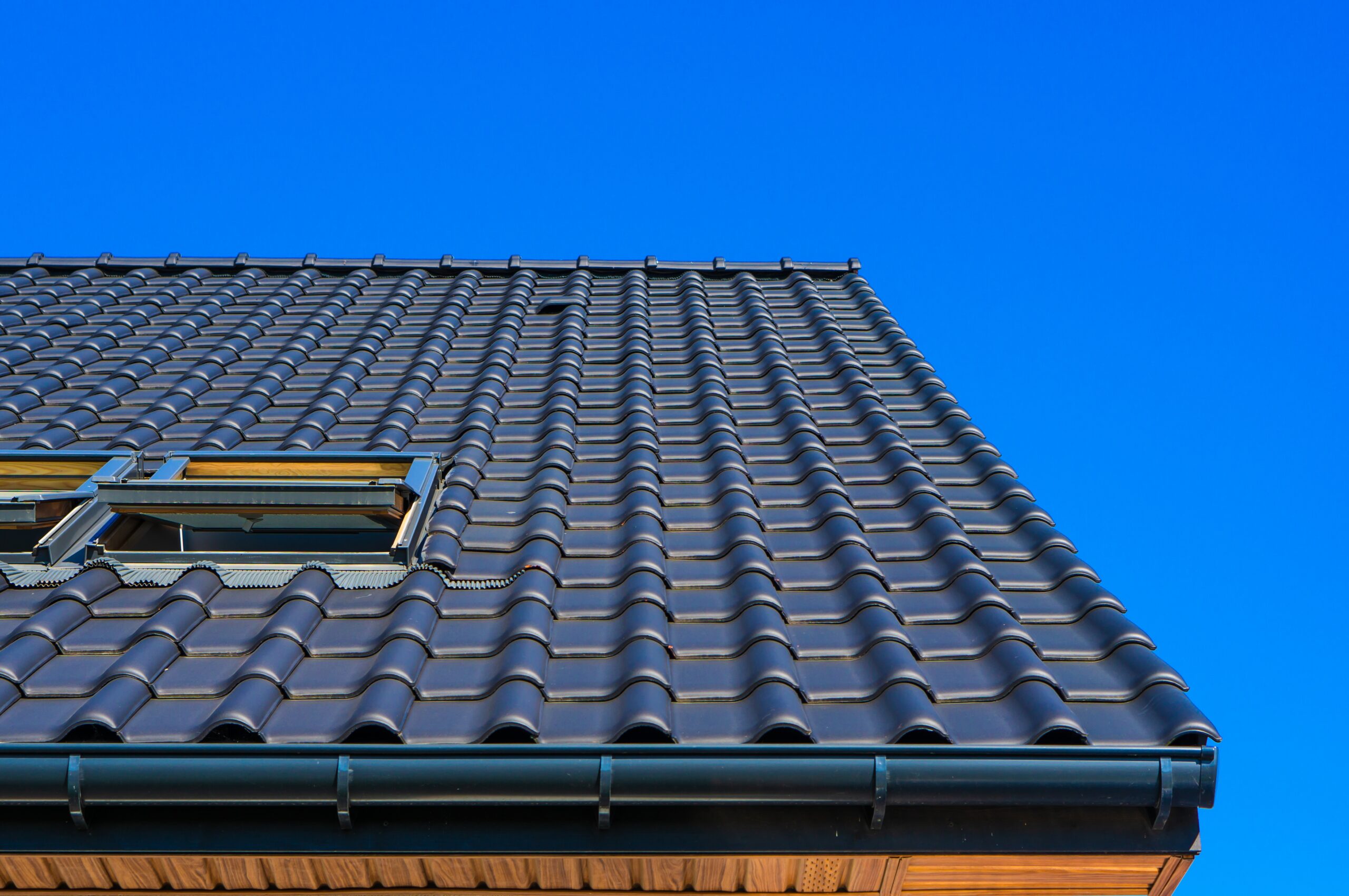
- Underlayment. Whether the layer under the roof covering is part of the repair. On a tile roof, a leak can come from the layer under the tiles rather than the tiles themselves.
Permits and Florida Rules on the Estimate
An estimate should say whether the repair needs a building permit and who will apply for it. Fixr lists permits among repair costs and gives a national range of $50 to $500. A Florida rule also links deposits to permits: the contractor’s deadline to apply starts once a larger initial payment is made.
Permit rules for roof work in Lakeland and across Polk County are set by the local building department. Ask the roofer which office the permit goes to, and call that office if the estimate is unclear.
Florida also has a rule for larger repairs. Section 553.844 says that when a roof built to the 2007 Florida Building Code or later has 25% or more repaired or replaced, only the repaired portion must meet current code. Our page on Florida’s 25% roof rule explains what the statute says and why the building official makes the call. If your estimate covers a large share of the roof, ask the roofer how that rule applies.
Deposits and Payment Schedules Under Florida Law
Florida law does not ban a deposit, but it does attach duties to a large one. Under section 489.126, a contractor who takes more than 10% of the contract price as an initial payment on residential repair work must apply for needed permits within 30 days and start work within 90 days of the permits being issued.
The statute is published in full on the FindLaw mirror (s. 489.126, Florida Statutes). It says:
- A contractor who receives more than 10% of the contract price as an initial payment for repair work on residential property must apply for the necessary permits within 30 days after the payment, unless the work needs no permit.
- The contractor must start the work within 90 days after all necessary permits are issued.
- Those deadlines do not apply if the contractor has just cause, or if the person who paid agreed in writing to a longer period.
- If the contractor does not comply, the homeowner can send a certified letter demanding the permit application, the start of work or a refund. If the contractor does not respond within 30 days, the statute says it may be inferred that the contractor lacks just cause.
Read the payment terms on your estimate with that in mind. Note the size of the deposit, the event that triggers each later payment, and whether the paper asks you to agree to a longer period than the statute sets. If it does, you can ask why before you sign. An attorney can tell you how the statute applies to a specific contract.
The Lien Notice in a Florida Repair Contract
A Florida residential contract over $2,500 must carry a mandatory notice about construction liens. Under section 713.015, it warns that unpaid workers and suppliers can file a lien on your home even if you paid the contractor in full. The notice must be printed in bold capitals and signed by the owner.
The statute sets the details (s. 713.015, Florida Statutes):
| Point | What s. 713.015 says |
|---|---|
| Which contracts | Direct contracts over $2,500 with a contractor for work on residential property of up to four units |
| What it warns | Unpaid workers and suppliers may file liens against your property even if you paid the contractor in full, and a lien can lead to the property being sold to pay the debt |
| Where it goes | On the front page of the contract or on a separate page, in at least 12-point capitalised bold type, signed and dated by the owner |
| What it advises | Ask your contractor for written lien releases from anyone who sent you a notice to owner before you make payments |
An estimate on its own is not always the contract. If a repair runs past that threshold and the paper you are asked to sign has no lien notice, ask for the full contract before you pay anything. If you receive a notice to owner from a supplier or subcontractor, keep it and ask for a lien release before paying the next amount.
Warranty Terms Worth Reading Twice
A warranty line should state what it covers, how long it lasts, and who stands behind it. Labor and materials can be covered on different terms, so a single word like “warranty” with no terms tells you very little. Ask for the terms in writing and keep them with your other house papers.
Check these points on any warranty line:
- Coverage. Whether it covers the labor, the materials, or both.
- Length. The period it lasts, stated as a number.
- Who backs it. The roofing company, a product maker, or both.
- Limits. What voids it, such as other trades working on the roof.
- Claims. Who you call if the leak comes back, and how quickly you have to report it.
Questions That Show Whether an Estimate Is Padded
Padding is hard to spot from a total, so ask questions that make the roofer explain the number. Ask what caused the leak, how big the repair area is, what material will be used, whether a permit is needed, and how much extra work found during the job will cost. Clear answers back up a price.
Useful questions to ask any roofer about their roof quote:
- Cause. “What is causing the leak, and can you show me on the roof or in a photo?”
- Area. “How large is the area you will repair?”
- Hidden damage. “If you find rotted decking, how will you tell me and how is it priced?”
- Materials. “Which product will you use, and does it match what is on the roof now?”
- Permit. “Does this job need a permit, and who will pull it?”
- Payment. “How much is due up front, and what has to happen before each later payment?”
- Warranty. “What does the warranty cover, for how long, and who backs it?”
Watch for an offer that sounds too generous. Under section 489.147, a Florida contractor may not offer a gift, cash, a coupon or a waiver of your insurance deductible for a roof inspection or for making an insurance claim, and violations carry fines of up to $10,000 each (s. 489.147, Florida Statutes). An estimate that promises to cover your deductible is a reason to stop and ask questions.
Checking the roofer is the other half of checking the estimate. Our guide on how to check a roofing contractor’s licence in Florida walks through the license lookup and the warning signs.
Getting a Written Repair Estimate in Lakeland
A written estimate gives you something to check before work begins. It should name the cause, the scope, the materials, the permit, the warranty and the payment schedule. Ask for it before anyone starts on the roof, because a price given after work begins leaves you with little room to compare or decline.
Compare scope first, materials second and price last.
For a repair visit and a written estimate, the Roof Repair Lakeland FL team covers roof repair in Lakeland and nearby Polk County towns such as Winter Haven, Bartow and Auburndale. The wider picture of what causes leaks and what to do first is in our complete guide to roof leaks and repairs.
Frequently Asked Questions
How to tell if a roofer is lying?
Ask the roofer to show you the cause of the leak on the roof or in photos, and to put the cause, scope, materials, permit and warranty in writing. Vague answers to those questions are a warning. Florida also bars contractors from offering gifts or deductible waivers for an inspection or claim (s. 489.147).
Should you ever pay a roofer up front?
Florida law allows a deposit but attaches duties to a large one. A contractor who takes more than 10% of the contract price up front on residential repair work must apply for permits within 30 days and start within 90 days of permits issuing (s. 489.126). Get the payment schedule in writing.
What’s the cheapest way to fix a roof?
A repair matched to the actual cause is the smaller job, and the published figures reflect that. Fixr’s national average is $800 for a roof leak repair (Fixr) and $10,000 for a full replacement (Fixr). Get the cause diagnosed in writing before accepting any larger scope.
How much will it cost to fix a roof leak?
Fixr’s national estimates put roof leak repair at $350 to $1,500, with an $800 average. Minor repairs run $150 to $800, moderate repairs $800 to $3,000, and major repairs up to $8,000 (Fixr). These are national figures, not local pricing, and the cause, damage and roof type move the number.