Knowing how much life your roof has left helps you plan a replacement instead of reacting to a leak or a renewal letter. How long does a roof last in Florida? The honest answer depends on the material, and the published figures come from industry groups, not from one Florida standard. This guide sets out what each source actually says.
It covers asphalt shingle, tile and metal roofs, the warning signs that a roof is near the end, and how attic ventilation affects roof lifespan. Where a source gives no year figure, this guide says so rather than filling the gap with a guess. Your own roof’s remaining life is best judged by an inspection.
Roof Lifespan in Florida at a Glance
Published roof lifespan figures vary by material and by who publishes them. The Metal Roofing Alliance gives metal roofs a 50-plus year life. The Asphalt Roofing Manufacturers Association calls a shingle roof over 20 years old a prime candidate for reroofing. The Tile Roofing Industry Alliance gives no number of years at all.
Here is what each industry body says, quoted from its own page:
| Material | What the industry body says | Source |
|---|---|---|
| Metal | “Metal roofing lasts 50-plus years” | Metal Roofing Alliance |
| Asphalt shingle | “If a residential roof is more than 20 years old, it is a prime candidate for reroofing.” | ARMA |
| Clay and concrete tile | Describes tile as “long-lasting” but states no number of years | Tile Roofing Industry Alliance |
These are trade associations that represent each material, so read their claims as the industry’s own view. None of these figures is specific to Florida or to Polk County. A roof’s real life also depends on how it was installed, how it has been maintained, and the storms it has been through.
Asphalt Shingle Roof Lifespan
For asphalt shingles, the clearest industry figure is ARMA’s: a residential roof more than 20 years old “is a prime candidate for reroofing”. That is a point to start planning, not an expiry date. A University of Florida study also found shingles can begin to unseal after their first four years.
ARMA, the trade body for asphalt shingle makers, does not give a fixed lifespan in years on its FAQ page. It gives the 20-year reroofing guide above and tells homeowners what to look for (ARMA).
The University of Florida research matters for wind. Its engineers artificially aged shingles and tested them in full-scale, hurricane-strength wind tunnels. The researchers reported that “beyond the first four years after installation, asphalt shingles had a tendency to become partially unsealed, particularly around the exposed corners”, and that natural weathering, or cyclical temperature change, is the likely cause (University of Florida).
An unsealed shingle has lost some of its grip, which is why an older shingle roof can lose more shingles in a storm than a newer one. The study does not say how many years a shingle roof lasts. It shows that age changes how a shingle roof behaves in wind.
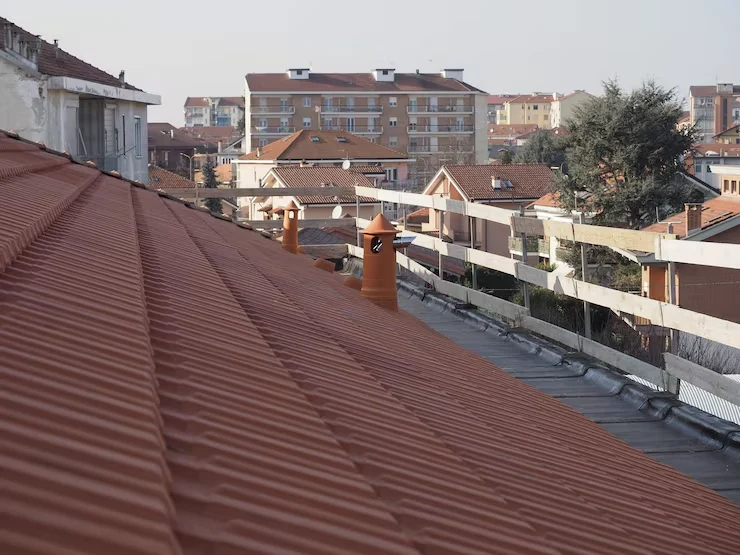
Tile Roof Lifespan
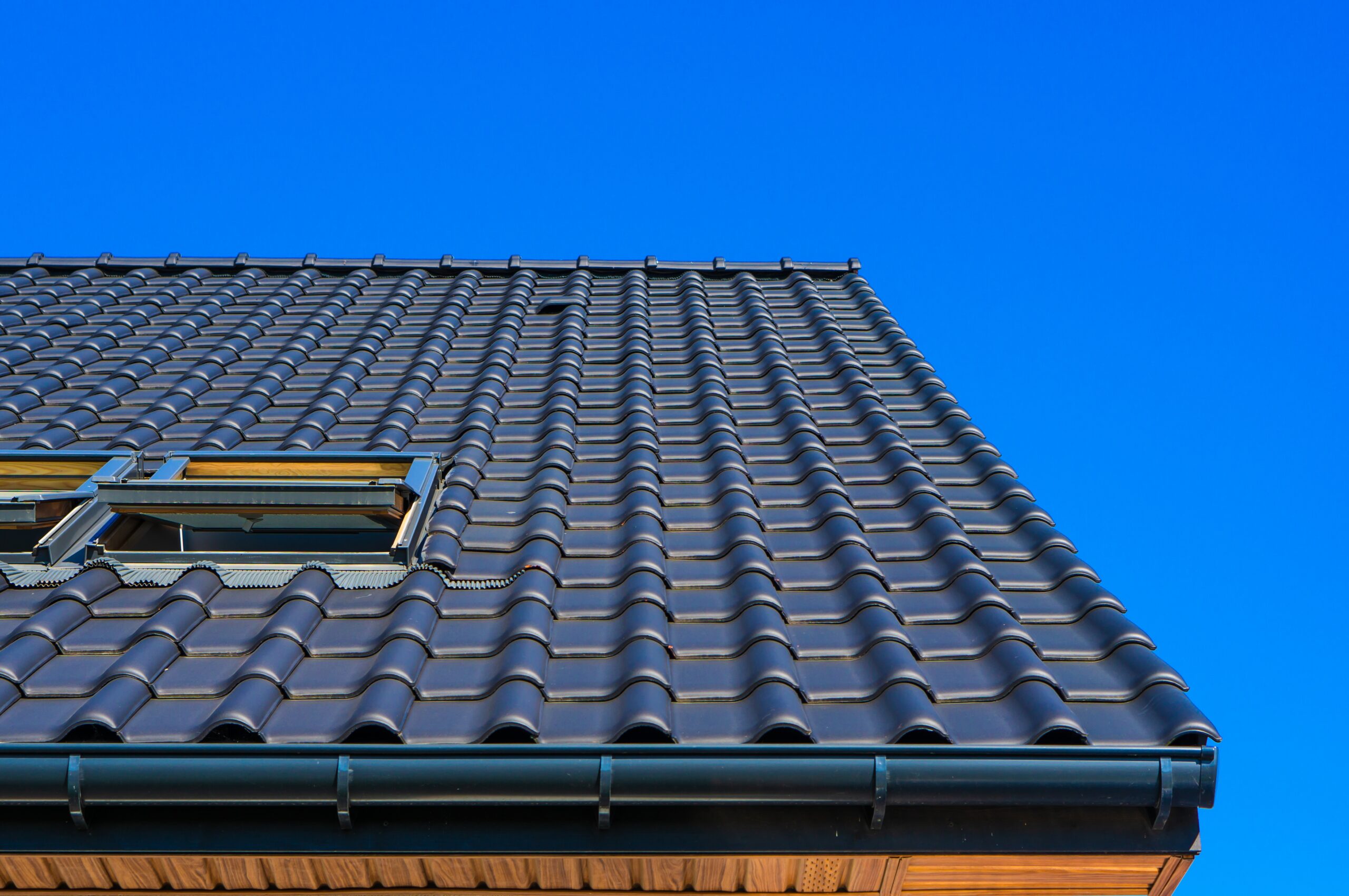
The Tile Roofing Industry Alliance describes clay and concrete tile as long-lasting and “virtually maintenance-free”, but its durability page states no number of years. No industry body fetched for this guide gives a year figure for tile roof lifespan, so this guide does not give one either.
What the alliance does say, on its durability and longevity page:
- On lifespan. Clay and concrete tile are “the most cost-effective, attractive, long-lasting roofing material” in the alliance’s own words.
- On upkeep. Tile is “virtually maintenance-free”, according to the same page.
- On warranties. The page says tile warranties “far exceed” those of other roofing products, without stating a length.
A tile roof has two layers that age at different rates: the tiles you see and the underlayment beneath them that keeps water out. The page above speaks about the tiles. A tile roof can look sound from the street while the layer under it is wearing out. Our guide to tile roof underlayment and broken tiles explains how to tell which part is failing and what each repair involves.
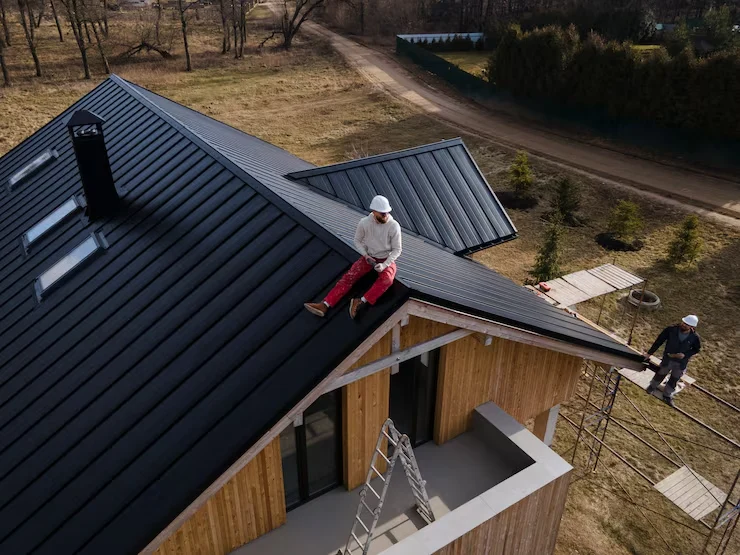
Metal Roof Lifespan
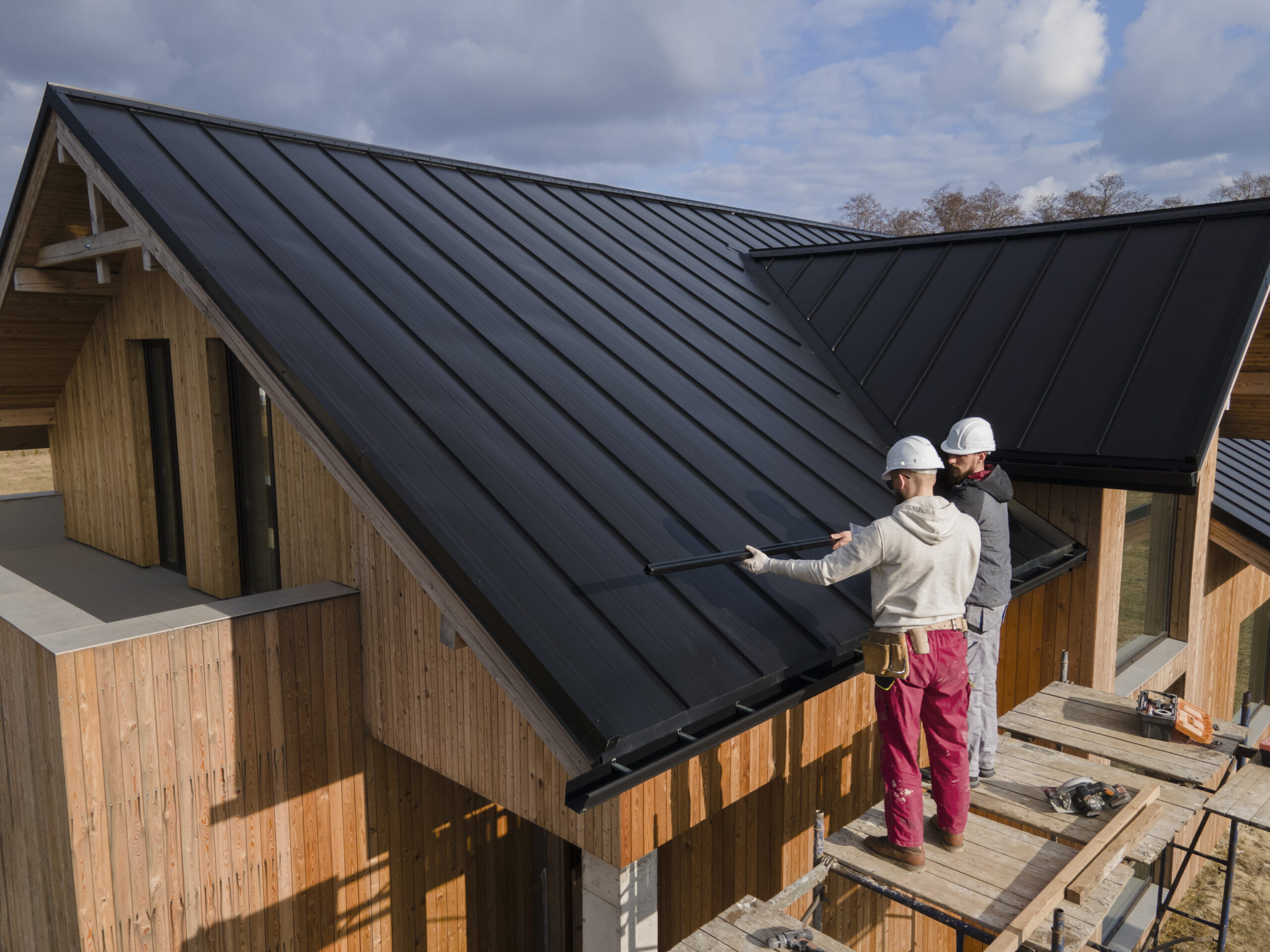
The Metal Roofing Alliance says metal roofing “lasts 50-plus years”, and on the same page says homeowners can count on “30 to 50+ years”. It adds that metal roofs can often be repainted rather than replaced. These are the industry body’s own figures, quoted from its FAQ page.
The Metal Roofing Alliance FAQs make three related claims:
- Life span. Metal roofing “lasts 50-plus years”.
- Range. Homeowners can “count on a metal roof lasting 30 to 50+ years”.
- Comparison. A metal roof can be expected “to last at least 2 to 3 times longer than a regular roof”.
The alliance promotes metal roofing, so treat the comparison as a trade claim. For the price side of that comparison, our breakdown of metal, shingle and tile roof cost in Florida over the life of the roof sets the published lifespans beside published cost figures.
Roof Age Rules from Florida Insurers
Roof lifespan also shows up in insurance. Citizens Property Insurance asks for proof of at least five years of remaining useful life on shingle roofs older than 25 years, and on tile, slate, clay, concrete or metal roofs older than 50 years. State law separately limits how insurers can use roof age.
According to Citizens:
| Roof type | Citizens threshold for documenting five years of remaining life |
|---|---|
| Shingle or similar (“soft”) roofs | Older than 25 years |
| Tile, slate, clay, concrete or metal (“hard”) roofs | Older than 50 years |
Citizens also requires a 4-point inspection “for all property owner, dwelling and mobile home applications for properties more than 20 years old”.
Section 627.7011 of the Florida Statutes stops an insurer from refusing to issue or renew a homeowners policy solely because a roof is less than 15 years old. For roofs 15 or older, the insurer must allow an inspection, and five or more years of remaining useful life blocks a refusal based on age alone (s. 627.7011). These thresholds are insurance rules, not lifespan figures. Our guide to Florida’s 15-year roof rule for insurance explains them in full. Confirm your own policy’s roof rules with your insurer in writing.
Warning Signs of a Roof Near the End
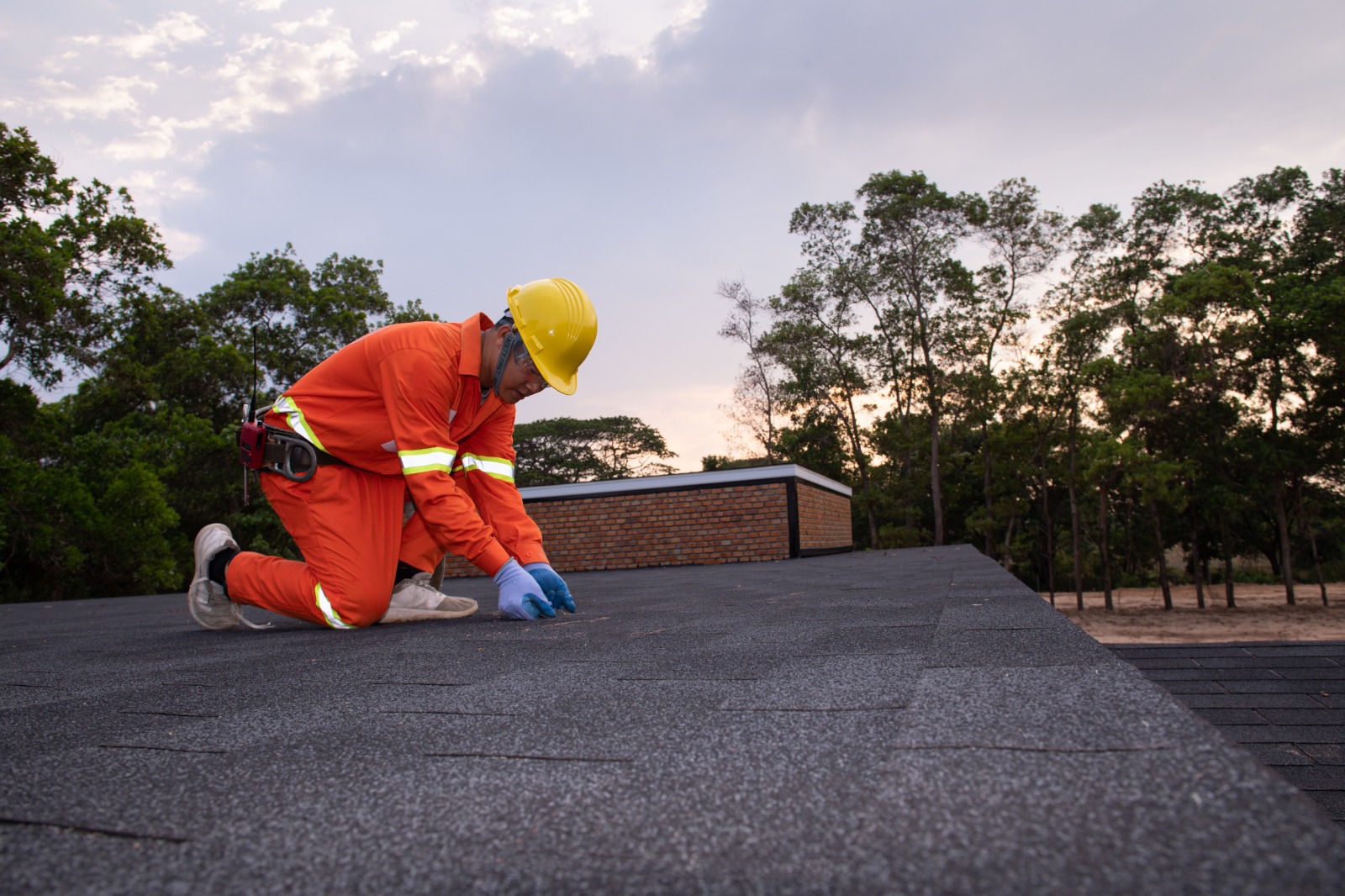
ARMA lists the signs to look for: cracked, curled or missing shingles, heavy loss of the protective mineral granules, and stains or wet spots on the underside of the roof deck and rafters. Look from the ground with binoculars and from inside the attic on a dry day. Leave anything on the roof itself to a professional.
From the ARMA FAQ page, the checks are:
- Cracked shingles. Splits across the shingle surface.
- Curled shingles. Edges or corners lifting away from the roof.
- Missing shingles. Gaps where shingles have come off.
- Granule loss. ARMA calls out “excessive loss of the protective mineral granules”.
- Stains in the attic. Stains or wet spots on the underside of the roof deck and rafters point to water getting in.
Inside the home, a water stain on a ceiling or wall is a sign of a leak that has already reached the house. Our Lakeland guide to roof leaks and repair explains how to trace a leak and what to do first.
Do not climb onto the roof to check. Walking on shingles or tiles is a fall risk and can crack tiles or loosen shingles. A roofing professional can inspect the surface safely and report what they find.
Attic Ventilation and Roof Life
Attic ventilation affects how long a shingle roof lasts. ARMA says ventilation “moves heat out of the attic space” and that this “helps prolong the service life of the roof”. It also moves water vapor from cooking, cleaning, laundry and breathing out of the attic, before it can collect under the roof deck.
ARMA defines attic ventilation as “the free flow of outside air through the space immediately beneath the deck of an asphalt shingle roof” (ARMA). It does two jobs:
| Job | What ARMA says |
|---|---|
| Removing heat | “Ventilation moves heat out of the attic space. This helps prolong the service life of the roof.” |
| Removing moisture | Ventilation moves “occupancy-generated water vapor (cooking, cleaning, laundry, breathing, etc.) out of the attic space” |
When that flow is blocked or missing, heat and moisture stay trapped under the roof deck. The stains and wet spots on the underside of the deck that ARMA lists as warning signs are one place that trapped moisture can show.
Ventilation design is not a homeowner project. Changing vents means cutting into the roof and working in a hot attic. If you suspect a ventilation problem, ask a roofing professional to check the attic and the vents as part of an inspection.
Factors That Shorten a Roof’s Life
The sources above point to four things that shorten roof life: the material’s own limits, weathering that loosens shingle seals, trapped attic heat and moisture, and damage left unrepaired. Age is the starting point, but it is not the whole story, which is why insurers look at remaining useful life rather than age alone.
Pulled together from the sources in this guide:
- Material. Each material carries its own published range, set out in the table at the top of this guide.
- Weathering. The University of Florida found cyclical temperature change is the likely cause of shingles unsealing after their first four years.
- Ventilation. ARMA says moving heat out of the attic helps prolong the service life of the roof.
- Upkeep. ARMA’s warning signs, from missing shingles to wet spots in the attic, are problems that grow if they are left alone.
Storm damage is the other factor. A single storm can shorten a roof’s life by years if lifted shingles or cracked tiles let water reach the underlayment and deck. After a major storm, an inspection tells you whether the roof took damage you cannot see from the ground.
Repair or Replace an Aging Roof
A roof near the end of its published life is not automatically a roof to replace. If damage is limited to a small area and the rest of the roof is sound, a repair may be enough. When problems are spread across the roof, or the underlayment is failing, replacement becomes the better plan.
Questions to settle with an inspection report in hand:
- How widespread is the damage? One damaged area is a repair question. Damage across several slopes points toward replacement.
- What is the roof’s age? Compare it with the published figures in this guide and with your insurer’s roof rules.
- How much useful life is left? That is the number insurers ask about.
- What is under the surface? On tile roofs especially, the underlayment can fail before the tiles do.
Our post on when roof repair is no longer enough walks through that decision in more detail. When replacement is the answer, the Roof Repair Lakeland FL page on roof replacement in Lakeland explains what the process involves. Planning a replacement on your own schedule gives you time to compare materials and quotes instead of deciding after a storm.
Frequently Asked Questions
How many years does a metal roof last in Florida?
The Metal Roofing Alliance says metal roofing “lasts 50-plus years” and that homeowners can count on “30 to 50+ years” (Metal Roofing Alliance). That figure is not specific to Florida. Citizens asks for proof of remaining life on metal roofs only once they are older than 50 years (Citizens).
What type of roof lasts 25 years in Florida?
No industry body fetched for this guide promises 25 years for a Florida roof. The Metal Roofing Alliance gives metal 50-plus years (Metal Roofing Alliance). ARMA calls a shingle roof over 20 years old a prime candidate for reroofing (ARMA). The tile alliance gives no year figure.
What is the best roof to have in Florida?
No single source fetched for this guide names one best roof for Florida. Each trade body praises its own material. The right choice depends on your budget, your home’s structure and your insurer’s roof rules. Compare published lifespans and costs, then get an inspection and quotes before deciding.
How often do tile roofs need to be replaced in Florida?
The Tile Roofing Industry Alliance calls tile long-lasting but gives no number of years (Tile Roofing Industry Alliance). Citizens asks for proof of remaining life on tile roofs older than 50 years (Citizens). The underlayment under the tiles can wear out before the tiles, so an inspection is the way to know.
What happens if you don’t vent a roof?
Without ventilation, heat and moisture stay trapped in the attic. ARMA says ventilation moves heat out of the attic, which “helps prolong the service life of the roof”, and moves household water vapor out too (ARMA). A roofing professional can check whether your attic is vented properly.