Introduction
Storm season can create serious roofing problems in Lakeland. Strong wind can lift shingles. Heavy rain can expose weak points. Flying debris can damage flashing, vents, and roof edges. Even if the roof looks fine from the ground, hidden storm damage may still be present.
The roofing company’s services specifically include storm damage roof repair and blue roof tarping, which shows how important storm response is in this market.
When a storm hits, fast action matters. The earlier damage is identified, the easier it is to prevent leaks, interior moisture problems, and larger structural issues.
Common Types of Storm Damage
Wind Damage
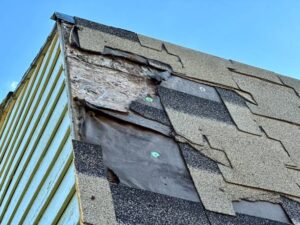
High winds can loosen or remove shingles, exposing the roof deck underneath.
Water Intrusion
Rain may enter through damaged seals, lifted edges, or flashing gaps.
Debris Impact
Branches and storm debris can puncture or dent roofing materials.
Flashing Failure
Storm force can move flashing around chimneys, skylights, and vents.
Granule Loss
Shingles may lose their protective layer after harsh weather exposure.
Warning Signs After a Storm
Look for shingles on the ground, dented gutters, water stains indoors, loose material around the roof edge, and damp attic insulation. If the home has experienced a severe storm, an inspection should happen as soon as possible.
Why You Should Not Delay Inspection
Storm damage often gets worse over time. A small opening can allow repeated rain intrusion, which may cause wood rot, mold, and ceiling damage. Fast inspection also helps document the condition of the roof if an insurance claim is needed.
Emergency Steps Homeowners Should Take
1. Stay Safe
Do not climb onto a roof that may be weakened.
2. Check for Interior Leaks
Look for stains, dripping, or damp areas inside the home.
3. Photograph Visible Damage
Pictures can help with insurance documentation.
4. Call a Roofing Professional
A qualified roofer can inspect the roof properly and recommend next steps.
5. Use Temporary Protection If Needed
If the roof is exposed, temporary tarping may help prevent more water from entering.
How Storm Damage Repair Usually Works
A contractor will inspect the roof, find the damage source, secure weak areas, replace missing or broken parts, and seal the system again. In some cases, only a small repair is needed. In more serious cases, a larger section may require replacement.
Insurance and Storm Damage
Many homeowners want to know whether insurance will help. Coverage depends on the policy and the cause of damage, but proper inspection and documentation are very important.
FAQ
Does storm damage always cause leaks immediately?
No. Some damage remains hidden until the next heavy rain.
Can wind damage a roof without removing shingles?
Yes. Wind can loosen shingles and weaken the roof even when damage is not obvious.
Is tarping a permanent solution?
No. Tarping is temporary protection until proper repair can happen.
Conclusion
Storm damage roof repair in Lakeland is about acting quickly, protecting the home, and stopping small weather-related damage from becoming a major loss.